
Nonprofit health plans play a key role in ensuring that Minnesotans have what they need to be well in life overall – and addressing food insecurity is just one of these critical needs. The Giving Gardens at Blue Cross and Blue Shield of Minnesota have played an important part in helping the community by providing Minnesota food shelves with fresh, locally grown produce.
Blue Cross associates volunteer their time and talents by working in the gardens to plant, care for and harvest produce. This produce is then donated to a variety of organizations throughout Minnesota, including The Open Door Pantry in Eagan, Interfaith Action’s Department of Indian Work in St. Paul and Quad Cities Food Shelf on the Iron Range.
In 2020, the Blue Cross Giving Gardens produced more than 1,500 pounds of produce that was donated to local food shelves and was a record growing season for the Giving Gardens despite the COVID-19 pandemic. Pictured are Blue Cross employees in the Giving Garden.
In Minnesota, there are generally three types of health insurance: fully insured plans, government-sponsored plans and self-funded plans.
Fully insured: If you have a fully insured plan, either you (through an individual market plan) or your employer pay a premium each month to an insurance company. Your insurance company then pays your medical bills with that money. If your bills are more than you have paid in premiums, your bills still get paid. Typically, smaller companies offer fully insured plans to employees. About 26% of Minnesotans are fully insured.
Government-sponsored: If you have government-sponsored coverage, you are enrolled in programs like Medicare (which serves people who are 65 and older or younger people with certain disabilities), Medicaid (which serves low-income families and individuals) and MinnesotaCare (also serving those who are low-income, but may require them to pay a monthly premium depending on income level). Through these programs, the federal or state government pays for the coverage each month and the health plan pays medical bills. About 36% of Minnesotans have government-sponsored insurance.
Self-funded (or self-insured): If you have this type of insurance, your employer is paying your medical bills with its own money, thus the term “self-funded.” Companies and organizations that fund their own plans hire a health insurance company to do the administrative services for their employees. This includes sending out health insurance cards, contracting with doctors and hospitals and answering questions from employees. Larger companies that have significant financial resources – and can take on the financial risk of insuring employees themselves – typically offer self-funded plans. About 34% of Minnesotans have self-funded insurance.
Generally speaking, you and your health insurer share costs up to a certain point. What you pay depends on your deductible, copayment, coinsurance and out-of-pocket maximum. Each health plan will have different combinations of these costs. The deductible is the total amount you need to pay before your insurance plan starts paying your bills, the copay is a flat fee you pay for specific services, coinsurance is a percentage of costs that you cover for certain health care services and the out-of-pocket maximum refers to the most you will pay for covered services each year.
What do you get for the money you pay each month? Although your health insurer pays on average more than $800 for medical care every second, it does a lot more work behind the scenes, including:
- Reducing medical expenses by negotiating discounted rates with doctors, hospitals and other providers to offer quality care at a lower price.
- Protecting us from financial ruin if we are badly injured or become very ill.
- Helping us stay well with preventive services and incentives like health-club discounts.
- Improving care by creating new models of payment that pay providers based on the quality of our health, not the quantity of service.
- Working with community organizations and stakeholders to make social and environmental
conditions healthier.
For more information about how health insurance works in Minnesota, read our Health Insurance 101 fact sheet.

Through all of the challenges the year 2020 brought us, I’m heartened by the way Minnesota’s nonprofit health plans have stepped up to support our state.
Health plans have always put the health and safety of Minnesotans first, but we all know that 2020 was radically different. The COVID-19 pandemic – as well as the racial unrest that ensued after the murder of George Floyd last summer – pushed the health care system in ways that no one could ever have imagined. Not only were enrollees of our member health plans impacted, but the community overall. We knew we needed to come together to help Minnesota heal.
One of the first things health plans did in response to the pandemic was waive any cost-sharing component for COVID-19 testing. Health plans quickly recognized that testing is at the center of preventing the spread of the infection – so typical cost-sharing was lifted to avoid any financial barrier to seeking a test. Congress has since mandated this strategy nationwide, but it was an important move that I’m glad Minnesota health plans took on voluntarily.
Health plans moved quickly to cover the cost of COVID-19 in-patient treatment, as well. COVID-19 has not just affected our health, but our economy – and the last thing we want is to have anyone hospitalized by this disease worry about a bill. Health plans recently extended cost-sharing to the end of March and will continue to revisit this as the health emergency continues.
The murder of George Floyd was also a major turning point in which our health plans looked within to see what more we could be doing to promote racial equity and inclusion in our communities. We have a lot of work to do in this area, but health plans are looking at everything from workforce diversity and training to the ways in which we are delivering care to communities of color. To that end, member health plans have formed a new Health Equity Committee with the task of significantly reducing health disparities – which we know are far too prevalent in Minnesota. We have high hopes that the coordination we are leading will bring everyone together in a way that will bring much needed progress toward these goals.
Finally, health plans accelerated community giving efforts in 2020. The health of Minnesotans can be largely dependent on whether their basic needs are met, and thus, health plans provided millions in assistance last year related to social isolation, mental health, food insecurity and other issues.
Looking ahead to 2021, I’m confident that health plans will continue to be there for Minnesotans in meaningful ways. We’ll continue to be innovative – utilizing cost-saving care delivery like telehealth to provide enrollees with high-quality health care. We’ll position health equity at the forefront of everything we do, finding ways to broaden access to care for underserved communities. Health plans will also continue to find ways to beat back COVID-19 in our state. Already, our health plans have committed to cover the new COVID-19 vaccine at no cost to enrollees as it becomes available across the state this year.
With that, I want to wish everyone across Minnesota a safe and happy start to 2021. I truly appreciate the resolve Minnesotans have shown over the past year and want all of you to know that Minnesota health plans will always work to provide the best care possible. We are here to help our state heal, and we look forward to being your partner in making 2021 the year we all want it to be.
Minnesota, the holidays are here. And if there’s one thing we can all celebrate, it’s the resolve Minnesotans have shown during the COVID-19 pandemic this year. Thank you for all your sacrifices this year and your continued commitment to beat this together. So many of you have given the gifts of kindness, patience and empathy during these tough times.
As we approach these next few weeks, I want all of you to consider yet another gift – protection. Protection for your friends and loved ones. Protection for your community. Protection for yourself. We all know the holidays as a time to come together and be close, but we need to think differently this year.
Last week, Gov. Tim Walz took the critical step of pausing some of our activities to curtail community spread and protect the health care heroes who work so hard to care for COVID-19 patients. It’s a shared sacrifice that we know is prudent and necessary, but we also need to do what we can on our own to be safe these next few weeks to protect the health and wellness of us all. This starts with:
- Wearing your mask to protect yourself and others.
- Following social distancing guidelines.
- Avoiding gatherings.
- Staying home if you are sick.
Adhering to these measures means the holidays are going to look very different this year. I know it will be challenging, but these steps are necessary not just for your safety – but for the safety of everyone around you.
Protecting ourselves and each other must be our greatest gift.
Stay safe, Minnesota. And check out the Minnesota Department of Health website for the full list of COVID-19 safety precautions.

Pre-existing conditions are back in the headlines, especially as the Supreme Court hears a case that could impact the Affordable Care Act (ACA). The ACA offers important protections for Americans living with pre-existing conditions. In light of this, it’s important to remember what pre-existing conditions are, including how the Affordable Care Act (a.k.a. the ACA, or “Obamacare”) changed how insurance companies treat them.
What exactly is a pre-existing condition?
A pre-existing condition is any health condition you have before your health insurance coverage starts. Some people are born with these conditions. Other people develop them over time.
What is the position of Minnesota’s nonprofit health plans on pre-existing conditions?
Minnesota’s nonprofit health plans favor upholding the Affordable Care Act because we believe that all Minnesotans should be covered, including the 2.3 million in Minnesota with pre-existing conditions. It is also important to remember that some protections for those with underlying health conditions are written into Minnesota state law, particularly for those who have maintained continuous coverage. Minnesota’s nonprofit health plans will always work to get Minnesotans the affordable, equitable and quality-based care they deserve.
What are some health conditions commonly seen as pre-existing?
The 10 most common pre-existing conditions are acne, anxiety, diabetes, asthma, sleep apnea, depression, COPD, extreme obesity, atherosclerosis and cancer. But many others exist, including pregnancy, heart conditions of various types, strokes, care related to transplanted organs and Alzheimer’s.
How many people have pre-existing health conditions?
According to the U.S. Department of Health and Human Services, half of all Americans live with something that would have been classified as a pre-existing condition before the ACA. Kaiser Family Foundation found that more than 54 million non-elderly Americans have at least one health condition that could have caused them to be denied individual insurance coverage before the ACA.
How were pre-existing conditions treated before the ACA?
Before the ACA took effect in 2010, health insurance plans used an underwriting process for individual market plans. In other words, if you bought health insurance on your own instead of getting it from the government or an employer, you had to submit detailed medical records. Insurers would use these records to determine your premiums and other out-of-pocket costs. Depending on the severity of your pre-existing conditions, you could face higher premiums or be given a rider saying that care related to those specific conditions would not be covered or be denied coverage.
If you were denied coverage, Minnesota (and most other states) placed you in a high-risk insurance pool for people with pre-existing conditions that provided limited and often expensive coverage. In fact, it’s estimated that roughly 1 out of 5 Minnesotans currently enrolled in today’s individual insurance market used to be enrolled in the state’s high-risk pool.
What protections did the ACA give people with pre-existing conditions?
Today, pre-existing conditions can’t keep you from getting insurance, and they must be covered under your insurance plan. Under the ACA, health plans are required to provide coverage to everyone who enrolls during the open enrollment period, and they can no longer take your health into consideration when pricing your plan. Instead, they must use “adjusted community ratings” to pay for out-of-pocket expenses so you don’t have to face an endless bill for treating a chronic condition.
How will health plans continue to support those with pre-existing conditions?
Only time will tell what the outcome of the ACA case will actually be, but regardless of what happens, the Council is supportive of the many provisions that support coverage for Minnesotans and bringing forth solutions that improve health care for everyone throughout the state.

Indeed, mental health needs are growing in Minnesota, especially as we endure the impacts of COVID-19. We are seeing greater isolation, substance abuse and unemployment. Parents and students are adjusting to the new realities of school. Communities of color are facing added traumas of injustice. Health workers are stressed by the demands of COVID-19. And many people have had to say goodbye to a loved one due to the virus.
A recent survey by Blue Cross and Blue Shield of Minnesota (BCBSM) also found that one in five Minnesota seniors report feeling lonely, anxious or depressed, and a majority of seniors fear a resurgence of COVID-19 cases.
As we honor this important day, I want to share elements of the mental health work being done by Minnesota’s nonprofit health plans and some of the free online resources that are available for those who need it. Our local health plan members care deeply about the health, safety and wellness of Minnesotans and have launched vital mental health initiatives over the years to support this mission. In recent months, they’ve ramped up efforts even more to meet Minnesotans’ mental health needs.
- Blue Cross and Blue Shield of Minnesota has been offering support through a podcast on mental and emotional well-being in the time of COVID-19, including an important episode on “Mental and Emotional Well-being in the Time of COVID-19.” In August, BCBSM added an online program for its members to access mental health support. BCBSM has also addressed several vital mental health topics via their blog, including:
- “Smiles for Jake works to spread positivity, change conversation around suicide”
- “Amidst stress of pandemic, Blue Plus increases access to mental health support through Learn to Live“
- “How to care for yourself and your mental health during a global pandemic“
- “Highlighting mental health awareness in BIPOC communities“
- Meanwhile, HealthPartners has expanded telehealth options to make mental health support for members safer and more accessible. The health plan is reaching out to members about scheduling appointments with therapists via phone or video, and behavioral health now has the second-most telemedicine visits across their care system, after primary care. HealthPartners is also providing its commercial members free access to the Omada Mind app, which provides access to clinically validated assessment tools, mental health coaches, personalized plans and 24/7 crisis support. Additionally, the health plan continues to identify members who are at-risk of suicide through an algorithm that looks at demographic and clinical characteristics. HealthPartner’s popular “Make It OK” anti-stigma program has created a list of local resources, tools and crisis lines for members who are living with mental illness.
- PreferredOne is supporting its members through broad coverage of virtual mental health services and access to Wellbeats, an on-demand fitness benefit that empowers habit-forming physical and mental health. PreferredOne also recently teamed with Pear Therapeutics to offer access to a new therapeutic class of treatments that use software to directly treat substance use disorder and opioid use disorder.
- UCare is offering a web page of behavioral health resources, as well as an informative discussion with Jennifer Garber, the plan’s Associate Vice President of Behavioral Health Services, who leads this area. At the onset of COVID-19, UCare provided program supports for individuals with mental health and substance use disorders to Wellness in the Woods, a rural mental health services organization that offers counseling and telephone support statewide. In addition, UCare’s Mental Health and Substance Use Disorder Triage Line provides several important resources for members. These include referrals to mental health and substance-use disorder case management, help in finding in-network and specialty care mental health and substance use providers, and approvals and alerts for mental health and substance use services.
We’re proud of these efforts. But we also know that when it comes to mental health and illness, the work is never done, and no blog can truly capture the full scope of what our local health plan members do to support the health, safety and wellness of Minnesotans. That said, I strongly encourage readers to contact their health plan to discuss additional resources that available to them. Our member plans will continue to focus their efforts and expertise on mental health, and we look forward to sharing even more resources for Minnesotans in the months and years to come.
One of the very unfortunate realities of the COVID-19 pandemic has been job loss. And with the loss of employment, often comes the loss of health insurance. As we continue to grapple with this ongoing health and economic crisis, it is important to know what other options for health care coverage are available — and that you don’t end up paying more than you need to.
Depending on your health, age and financial situation, you may qualify for low or no-cost health insurance coverage or for subsidies that will help lower what you pay for coverage if you are buying insurance on your own.
For instance, if you are 65 or have a disability (as defined by the federal government), you may want to shop for Medicare. If you are under 65, you can get insurance in a few ways, including through MNsure or directly from an insurer. Those under 65 may also qualify for Medicaid or MinnesotaCare, both of which are low or no-cost options.
You’ll also want to think about the types of care you already utilize and how often. For instance: How many times a year do you usually go to the doctor? And do you regularly take any prescription medications?
In this fragile and ever-changing economy, here are some answers to some frequently asked questions about what to do if you lose your employer-sponsored health insurance.
What should I do first?
If you’ve lost your employer-based health insurance coverage, first decide whether you want to extend your current health plan or buy a new one. If you want to continue your current plan, you can do that through COBRA continuation coverage. COBRA is a federal law that may let you stay on your employee health insurance for up to 18 months, as long as you pay the full premium and a small administrative fee. To learn about your COBRA options, contact your employer.
You may also consider enrolling in a spouse’s health coverage if that’s available, as your job loss would likely qualify as a life-changing event under that coverage. This is usually the most cost-effective option.
If that’s not possible and you need to buy a plan on your own, visit the Minnesota Health Insurance Marketplace, or MNsure, at www.mnsure.org. This site will show you your options for buying health insurance for yourself and/or your family, as well as how to potentially save money on premiums and other expenses. Since the start of the COVID-19 pandemic, more than 100,000 Minnesotans have come through MNsure to find health insurance coverage.
When can I buy coverage on the Marketplace?
Most people can only buy health insurance through the Marketplace during the traditional enrollment period. This year, that’s Nov. 1-Dec. 22. But if you’ve had a sudden loss of coverage or reduction in income, you may qualify for a special enrollment period and be able to purchase coverage immediately. In general, your coverage can start the first day of the month after you lost your insurance.
What’s the advantage of buying a health insurance plan on the Marketplace?
The main advantage is that you can find out if you qualify for subsidies on your monthly premiums and out-of-pocket health care costs, especially if you make less than $25,520 or are a member of a federally recognized American Indian tribe. The average amount of aid provided monthly is $431, so these savings can be substantial. If your annual income has fallen due to the pandemic or other issues, you may also qualify for other programs and benefits that could save you money. For example:
- You might be newly eligible for an advanced premium tax credit (APTC), or an increased APTC.
- You might be eligible for no- or low-cost coveragethrough Medical Assistance (Medicaid) or MinnesotaCare.
Which nonprofit Minnesota health insurance plans can I choose from?
Four of the Council’s seven member health plans have insurance plans on the Marketplace: Blue Cross Blue Shield Minnesota, HealthPartners, Medica and UCare. You can see all of the health and dental plans offering health insurance on MNsure at https://www.mnsure.org/shop-compare/about-plans/networks/index.jsp.
What if I need help buying an insurance plan?
MNsure has a statewide network of expert assisters to help you apply and enroll over the phone, as well as online help tools. The Contact Center is open 8 a.m. to 4 p.m. Monday-Friday at 651-539-2099 or 855-366-7873. You can also visit the Get Insurance page on the Minnesota Council of Health Plans website, which offers information on how to shop, kinds of insurance and where to get insurance.
By the Minnesota Council of Health Plans and the Minnesota Hospital Association
With so much attention being paid to COVID-19 — and rightly so — it’s easy to forget about another serious virus that we deal with every year: influenza, or the flu. While it’s important to get your flu shot every year, 2020 is arguably the most critical year in decades to make sure that you and your family are protected against this virus.
Let’s start with a quick primer on influenza.
What is the flu?
Influenza, or “the flu,” isn’t just one virus. It’s a contagious respiratory illness caused by different types of influenza viruses that change every year. These viruses can cause mild to severe illness, and even death. Some people simply feel cold-like symptoms. Others have more serious reactions and have to be hospitalized.
What serious conditions can influenza lead to?
In more severe cases, the flu can cause pneumonia, bronchitis and infections in the ears and sinuses. It can also make chronic health problems worse. If you have asthma, it can cause an asthma attack. If you have chronic congestive heart failure, it can increase your risk of a heart attack. Even if you don’t have pre-existing conditions, the flu can lead to serious issues, especially if you’re not vaccinated against it.
Who’s most at risk of flu complications?
If you fit into any of the following categories, you could have a higher risk of getting more seriously ill from the flu:
- Adults 65 and older
- Pregnant women
- Young children
- People with asthma
- People with heart disease
- People with a history of strokes
- People with diabetes
- People with HIV/AIDS
- Cancer patients
- Children with neurologic conditions
What does the flu shot do?
The flu shot stimulates your immune system to be better prepared to recognize and attack the influenza virus. Because the flu virus changes every year, the influenza vaccine is updated annually to provide the best match between the vaccine and the actual virus.
How effective is the flu vaccine?
Effectiveness varies year to year, but recent CDC studies show that flu vaccination reduces the risk of flu illness 40-60% among the overall population during seasons when it’s well-matched to circulating flu viruses.
Why should I get a flu shot?
There are almost too many reasons to list here, but here are the top ones:
- It can keep you from getting sick with flu. Flu vaccine prevents millions of illnesses and flu-related doctor visits each year. During the 2017-2018 season, flu vaccination prevented an estimated 6.2 million influenza illnesses, 3.2 million influenza-associated medical visits, 91,000 influenza-associated hospitalizations, and 5,700 influenza-associated deaths.
- It can keep you and your kids out of the hospital—and even save your life. A 2017 study showed that the flu shot can significantly reduce a child’s chances of dying from the flu. A 2014 study showed that flu vaccine can reduce children’s risk of flu-related pediatric intensive care unit admission by 74%. And a 2018 study showed that flu vaccination among adults can reduce the risk of being admitted to an intensive care unit with flu by 82%.
- If you have a chronic health condition, it can help prevent complications from it. Flu vaccination has been associated with lower rates of some cardiac events among people with heart disease. It can also reduce hospital visits for flu-related chronic lung disease in people with chronic obstructive pulmonary disease (COPD), and it has been associated with reduced hospitalizations among people with diabetes and chronic lung disease.
- If you’re pregnant, it can help protect you during and after pregnancy. Flu vaccination cuts in half the risk of flu-associated acute respiratory infection in pregnant women, and it has been shown to reduce pregnant women’s risk of flu-related hospitalization by an average of 40%. A number of studies have also shown that women who get a flu shot during pregnancy help protect their baby from getting the flu for several months after their birth.
Why is it especially important to get a flu shot this year?
Put simply: COVID-19. Flu season is already challenging for hospitals and emergency rooms. As an example, the 2018–2019 flu season resulted in about half a million hospitalizations and more than 34,000 deaths nationwide. Communities of color, which have already been disproportionately impacted by COVID-19, historically have also been more likely to have chronic health conditions that put them at higher risk of influenza-related complications.
Because COVID-19 symptoms so closely mirror the flu, a crush of influenza cases could further strain the medical system in testing, diagnosis, isolation and treatment of COVID patients. If this happens, getting the best medical care for either COVID or influenza becomes more challenging.
Bottom line: As flu season rapidly approaches, it’s important to talk to your doctor about how and when to receive this year’s influenza vaccine. This year more than any other, the flu shot is essential to keep you, your children, your neighbors and our entire health care system healthy. For more information on how health plans, hospitals, health systems and clinics are making flu vaccinations more accessible during the pandemic, click here.
By the Minnesota Council of Health Plans and the Minnesota Hospital Association
Influenza, or the “seasonal flu,” is a disease that can cause serious illness, even death. The flu shot has always been key in protecting ourselves against this infection – especially older adults, young children, pregnant women and those with chronic conditions – but the COVID-19 pandemic makes getting this vaccination even more critical for everyone this year.
Why? Aside from the immediate health risks associated with the flu itself, an influx of flu patients on top of COVID-19 cases – a “twindemic” — could potentially overwhelm hospitals and their ICUs. At the peak of the COVID-19 outbreak in spring 2020, more than 600 Minnesotans were hospitalized at the same time for COVID-19 treatment. Meanwhile, the Minnesota Department of Health reports that the 2017-2018 flu season – a severe year for infections — resulted in more 6,000 hospitalizations throughout the state for the flu. Having a high level of hospitalizations for both COVID-19 and seasonal flu at the same time would stretch hospital and ICU resources.
The seasonal flu can present itself in many of the same ways COVID-19 does, with symptoms such as fever, headache, cough, sore throat, muscle aches and fatigue. In more severe cases, the flu can cause pneumonia, bronchitis and infections in the ears and sinuses. It can also make chronic health problems worse. If you have asthma, it can cause an asthma attack. If you have chronic congestive heart failure, it can increase your risk of a heart attack.
Additionally, having the flu can take a toll on the body’s immune system, leaving people more vulnerable to a serious bout of COVID-19. Contracting both infections could be even more harmful.
Flu vaccination rates in Minnesota — especially for children — were already in need of improvement before the pandemic. During the 2017-2018 season, nearly 62% of Minnesota children between the ages of 6 months and 17 years received vaccinations, according to CDC estimates, and the rates fell with age. For children 0.5-4 years old, it was 75%; for 5-12, 65%; and for 13-17, only 50%. Meanwhile, flu vaccination rates for adults in any given year are typically less than 50%.
That’s why this year presents an important opportunity for Minnesotans to do what they can to avert a bigger public health crisis. In addition to doing what we can to mitigate the spread of COVID-19, we can also reduce the number of influenza infections, hospitalizations and deaths by getting ourselves vaccinated against this disease.
Minnesota’s hospitals, health systems, clinics and health plans are already taking a number of steps to make getting critical vaccinations – including the flu shot – safer and easier during the pandemic.
A few important points to know:
- No immunization is more widely available than the flu shot. You can visit your regular doctor, or you can get it at most pharmacies, clinics, retail clinics, public health offices — even many dental offices and workplaces. UCare and Hennepin Healthcare, for instance, are teaming up to bring preventive and routine care on the UCare Healthmobile and flu shots on Hennepin’s vaccine bus to the community. Additionally, HealthPartners and Sanford Health are offering drive-up flu vaccines. For a quick and easy way to find the flu vaccine options near you, you can also use this website and search by your ZIP code.
- Minnesota’s hospitals and clinics have instituted a number of measures to protect patients coming in for visits, including enhanced personal protection equipment, universal patient screenings, surface cleaning, airflow improvements, hallway traffic management and the separation of patients into potential COVID and non-COVID groups. Many providers are also using drive-through clinics to better reach patients who have concerns about entering a health care facility due to COVID-19.
- Because the flu vaccine is considered preventative care, it’s usually covered by your health plan through an in-network provider at no cost to you. To find out for sure, you can call the number on the back of your insurance card. In addition, the Minnesota Vaccines for Children Program (MnVFC) offers free or low-cost shots for children 18 and younger. Check with your clinic to see if they participate in this program.
- The flu shot is safe. You can’t get influenza from the flu shot, so don’t let that be a barrier in getting vaccinated. Additionally, while false and misleading information still exists on the internet, vaccines have not been shown to cause autism. Any links between vaccines and autism have been thoroughly disproven.
By getting ourselves and our children immunized against the flu and other infections — and by continuing the important practices of hand-washing, mask-wearing and physical distancing — together we can create a new standard for disease prevention that will benefit us long after the pandemic passes.
Talk to your doctor about how and when to receive this year’s flu vaccine or click here to learn more facts about the flu. Stay healthy, Minnesota!
By the Minnesota Council of Health Plans and the Minnesota Hospital Association
With the arrival of fall, it’s time we went “back to school” on measles, and why the MMR (measles, mumps and rubella) vaccination is vital. So, here’s a little “Measles 101,” including information on why it’s important — and safe — to be vaccinated against it.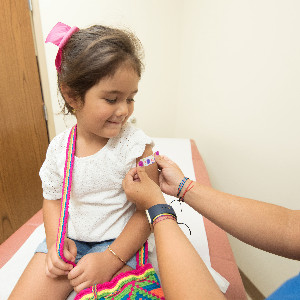
Measles can be serious, even fatal, in small children. Measles symptoms can lead to pneumonia, brain damage, deafness and even death. Worldwide, measles kills more than 100,000 people a year, most under the age of 5.
Measles is highly contagious. Overall, 90% of people who come in contact with measles will catch it if they’re not vaccinated. It’s spread through the air when infected people breathe and cough, and it can stay there for long periods of time. People have contracted measles from walking into a room where infected people stood two hours earlier.
Measles is preventable. Like COVID-19, measles is caused by a virus. But unlike COVID-19, we’ve long had a safe and effective vaccine to prevent it. This vaccine has been so effective that the U.S. declared measles “eliminated” in 2000.
Measles outbreaks in the U.S. are on the rise. After a long period of decline, 2019 saw the most U.S. measles cases in the last 25 years. This is largely due to myths and misinformation about vaccines in general. To be clear: Vaccines do not cause autism spectrum disorder, infant immune systems are strong enough to handle current vaccination schedules (and infants are at risk for exposure and infection if you space immunizations out), and there’s no risk of getting the measles from the vaccine.
Additionally, the following are some commonly asked questions about measles:
How do I know if my child might have measles?
Measles symptoms usually appear 10-14 days after exposure to the virus. They can include fever, dry cough, runny nose, sore throat, inflamed eyes (conjunctivitis), diarrhea, ear infections, a blotchy skin rash, and the appearance on the inner lining of the cheek of tiny white spots with bluish-white centers on a red background.
When should I get my child vaccinated against measles?
The measles vaccine is combined with mumps and rubella in what’s called the MMR vaccine. Your child should get this shot when they’re 12-15 months old, and again when they’re between 4 and 6. If you have a child between 6 and 12 months that will be traveling internationally or to a place that’s experiencing a measles outbreak, they should get an early MMR vaccine.
What if I’ve have never received a measles vaccine?
If you were born in or after 1957 and have never had measles or been inoculated against it, then you should get at least one dose of the MMR vaccine as soon as possible.
What should I do when I’m done reading this article?
If you have any concerns that you or your children are not up to date on measles shots, please talk to your doctor about next steps. For more information on why the measles vaccine is so important this year, click here.