
By the Minnesota Council of Health Plans and the Minnesota Hospital Association
School’s back in session, and if you are like most parents, your kids are starting the year with full-time, in-person learning for the first time in what seems like forever.
As we continue to battle COVID-19, it’s become increasingly important for students to be caught up on vital immunizations. This includes vaccines that can protect them from COVID-19 if they’re 12 or older, as well as other immunizations that can guard kids of all ages against serious illnesses.
According to the World Health Organization (WHO), 23 million children missed out on basic childhood vaccines in 2020, the highest number since 2009 and 3.7 million more than in 2019. Up to 17 million children likely did not receive a single vaccine last year, reports the WHO. Here in Minnesota, a June CDC report also showed significant drops in several vaccines for young children.
As a result, children and some adults are missing some of the most important and beneficial vaccines of our time, including the measles, mumps, and rubella (MMR) vaccine; the flu shot; vaccines for polio, chickenpox, and whooping cough; and the COVID-19 vaccine. Now, with Minnesota schools back in session and the COVID-19 Delta variant still a major threat, the race is on to make up for lost time.
Minnesota health care systems and nonprofit health plans are taking extensive and innovative measures to ensure that vaccinations are easier and more accessible for everyone as we continue to endure this pandemic. They are using every viable communications tool – from telephone to Twitter – to encourage families to get back on track with vaccinations.
- Hennepin Health is launching intensive telephonic, text, email, and social media outreach to promote important adolescent vaccinations, including the COVID-19 vaccine. Then, the health plan is doing more outreach for children’s vaccinations and well-visits. Sometimes it’s even easier to bring the vaccine to members in their own communities. That’s when providers deploy the Hennepin Healthcare Vaccine Mobile van. The mobile service began in May 2020 to provide essential childhood vaccines to families who are hesitant and/or unable to be seen in health care facilities. The Vaccine Mobile team consists of a community paramedic and a nurse practitioner or pediatrician. The team provides vaccines and care in an effort to help maintain childhood immunization rates.
- Blue Cross and Blue Shield of Minnesota has also prioritized childhood immunizations. Partnerships with WellShare International and Hennepin Healthcare’s Vaccine Mobile van have been designed to target gaps in care, including childhood vaccinations, and serve as a bridge to reestablishing member relationships with a clinic for regular, ongoing care. Blue Cross also offers many helpful hints on childhood vaccinations as kids get back to school on the company’s blog.
- At UCare, Engagement Specialists are calling families with kids 12-17 who have not been COVID vaccinated and are also behind on childhood immunizations. UCare is also offering a COVID-19 vaccine incentive starting Sept. 1 for Medicaid members. The incentive applies to Minnesota Health Care Program members age 12 and over enrolled in Families & Children (PMAP), MinnesotaCare, Minnesota Senior Health Options, Minnesota Senior Care Plus, and UCare Connect and UCare Connect + Medicare plans for individuals with disabilities who complete their COVID-19 vaccine series after Sept. 1. Finally, UCare is developing a series of videos for social media about back-to-school childhood immunizations.
- Vaccination education is also well underway at Medica. The health plan is encouraging its members to find out more about the importance of getting timely vaccines. It is also offering web-based resources and links to the latest information about immunizations and how to access them to protect children’s long-term health.
- HealthPartners is promoting childhood immunizations in a variety of ways. Its campaign includes personalized content for members who, based on data patterns, may be hesitant to get vaccinated or to receive care during the pandemic. HealthPartners is also participating with the American Cancer Society and other plans to work on improving adolescent immunization rates. The goal? To learn best practices and to increase the number of members who are fully vaccinated.
Many of these efforts started over the summer, but they take on even greater urgency now that students have returned to their classrooms. Catch-up strategies like these will help reduce the risk of an outbreak of a vaccine-preventable disease. Also remember that health plans cover recommended immunizations without charging members a copayment or coinsurance when provided by an in-network provider.
So, if you haven’t done so, talk with your doctor about getting your kids up to date with their vaccinations. Staying healthy and protected against preventable illnesses will help ensure your student’s success this school year!
The Minnesota Legislature just wrapped up one of its busiest – and, yes, largely virtual – special sessions that included a two-year budget deal and legislation that will positively impact the health of Minnesotans amid the pandemic and beyond. The regular legislative session began fully online January 5 and regular session was adjourned without reaching agreement on the biennial budget on May 17. Lawmakers were then called into special session on June 14 and enacted a $52 billion state budget on June 30 to avert a government shutdown. Throughout both sessions, the Council and health plan lobbyists worked extensively with legislators and stakeholders on several issues that were ultimately included in the omnibus health and human services (HHS) bill. This includes an extension of the state’s reinsurance program though 2022, changes to telehealth visits post pandemic, and continued care coordination management of non-emergency medical transportation (NEMT), pharmacy, and dental services for Minnesotans using Medicaid and MinnesotaCare.
Re-up of Reinsurance
Minnesotans who buy health insurance on their own through MNsure or an insurance broker will continue to have access to lower premiums thanks to an extension of this vital program. Reinsurance was a top priority in the final negotiations of the special session, with lawmakers agreeing to a fifth year of the program that would carry it through at least 2022.
The state’s reinsurance program – funded by both federal and state governments – has been widely lauded for stabilizing the individual market and lowering premiums 20% on average. Reinsurance makes health insurance more affordable, accessible and stable for the 160,000 individuals who buy insurance on the individual market by covering 80% of medical claims between $50,000 and $250,000 – after which a health plan is responsible for all remaining costs. Under the changes adopted for 2022, the program would continue to be funded by state and federal money, but at a modestly reduced level. The changes will lower the 80% coinsurance rate to 60% for 2022.
Overall, reinsurance paid for more than $160 million worth of claims in 2020 and effectively took those costs out of the insurance pool to the make the costs of coverage much more affordable for Minnesotans. Otherwise, these costs would have been included in everyone’s monthly premiums. The agreement reached during session also includes directing the Minnesota Department of Commerce to apply for a continuation of the 1332 waiver that would extend reinsurance for a sixth year. An appropriation from the Minnesota Legislature will still be required during the 2022 session to operate the program beyond next year.
Expenditures from the program have been debated at length and are often misunderstood. The most recent report from the Minnesota Comprehensive Health Association, which oversees the reinsurance program, shows that costs associated with diabetes, cancer, and asthma account for the highest number of claims covered by the program. Funding sources for reinsurance have also been significantly debated. Over the first four years, Minnesota has relied on the Health Care Access Fund — largely funded by a 1.8% tax of health care providers and a 1% tax on insurance premiums – and nearly $380 million of federal funding to support the program.
Some have argued that the program is no longer necessary because of the new American Rescue Plan Act (ARPA) subsidies available to many in the individual market. While the Council and member health plans support the subsidies because many will see lower premiums, there are still thousands of Minnesotans who would not qualify for this relief and would see higher premiums – some as much as 25% – as a result. Additionally, if the subsides expire as scheduled in 2023, Minnesota would return to much higher premiums and market instability. That is why the Council continues to advocate for reinsurance to work in tandem with the enhanced subsidies. Click here to read our letter to legislators regarding the state’s reinsurance program and why it is an important lever in ensuring affordability for Minnesotans.
Evolution of Telehealth
As the COVID-19 pandemic unfolded, telehealth was quickly revolutionized, with utilization growing exponentially during the public health emergency. The Council worked closely with Sen. Julie Rosen (R-Fairmont) and Rep. Kelly Morrison (DFL-Deephaven) on their legislation that sought to continue certain elements of the expanded coverage and reimbursement for telehealth services used during the pandemic.
The Council worked extensively with the authors and stakeholders to support positive reform that would capture the benefits of telehealth while passing any savings back to consumers.
A deal was reached that updated the Telemedicine Act to sunset higher pandemic payment levels for audio-only services and authorize value-based payment arrangements that can deviate from the higher payment levels equivalent of an in-office visit, also known as payment parity. These important reforms will benefit Minnesotans with access to high-quality care that can be delivered at a lower cost.
Additionally, a preliminary report with findings and recommendations regarding audio-only services will be due to the Legislature by January 15, 2023. A full report about the impacts of telehealth care delivery on patient outcomes and the financial impact of payment parity is expected to be submitted a year later.
Continued Coordinated Care
Managed Care Organizations (MCOs) provide the value of care coordination in Minnesota’s managed care program. However, efforts were made to carve out pharmacy, dental and NEMT benefits from MCO contracts and give the Minnesota Department of Human Services authority to administer them independently. The Council played a pivotal role this session in preserving this coordination of non-emergency medical transportation (NEMT), pharmacy and dental services for Minnesotans enrolled in state programs.
Carving out these benefits would have negatively affected the quality of care for Medicaid and MNCare enrollees. When care is managed by an MCO who has a line of sight to all aspects of a person’s health, care is delivered in a highly coordinated way. MCOs offer large provider networks, care coordinators and culturally specific resources that address members’ medical, dental, transportation, pharmacy and social support needs.
During special session, the Council argued appropriate state funding was needed to improve the program and worked closely with the legislature to achieve a positive compromise. The final HHS omnibus bill included a 98% increase for dental providers starting next year and appropriates funds toward a dental homes pilot aimed at increasing access to dental care in underserved communities. With dental rates increasing, it is expected that more providers will accept patients enrolled in Medicaid. Patients enrolled with an MCO will also continue to receive NEMT, pharmacy and dental benefits through their health plan of choice. Read our one-pager to learn more about how health plans provide coordinated care.
Other Developments
The Council also supported the adoption of other measures during session that positively impacted Minnesotans by improving access to care and controlling costs. They include:
- Fixing the family glitch: Starting January 1, 2023, Minnesotans seeking family coverage will be eligible for state support based on the true cost of family coverage. The “family glitch” bases eligibility for federal tax subsidies on the affordability of employee-only coverage instead of the entire coverage sought, leaving many without access to affordable coverage.
- Funding for tobacco and vaping prevention: With the state’s backing, tobacco cessation and prevention programs in Minnesota will continue supporting thousands of Minnesotans across the state in their journey to achieve a tobacco-free lifestyle.
- Extending Medical Assistance (MA) coverage for postpartum care from 60 days to 12 months: Lengthening postpartum coverage in the MA program from 60 days to a full year will continue vital health care access for new mothers. Statistics also demonstrate that extending this coverage will make much needed progress in advancing health equity.
- Benefit mandate review: The Council supported requiring preemptive evaluation of benefit mandate proposals to provide the legislature with all the necessary information – via an actuarial analysis – to make more informed decisions regarding the economic and safety impacts any coverage mandates would have on those enrolled in the fully insured market.

For Natasha Smith, Head of Diversity, Equity & Inclusion at Sanford Health, equity has always been personal. From a family of Mexican-American immigrants, she understood from a very early age what a difference equitable systems make for vulnerable populations. Natasha has used this life experience to help build the processes and systems necessary for Sanford to be the premier provider of equitable health care in rural communities. The Council recently caught up with Natasha to learn more about the health equity journey at Sanford.
———
QUESTION: How long have you been with your organization and what’s been your journey to your role?
ANSWER: I have been with Sanford Health since March, coming to the organization with a background in corporate social responsibility and corporate philanthropy. Prior, I oversaw the philanthropic efforts of the Wells Fargo Foundation for a few states here in the Midwest and much of that work was centered around nonprofit partnerships that provided programming that benefited marginalized communities. I worked to create leadership buy-in and a strategic plan to shift the organization from ‘check writing’ to ‘problem solving’; cultivating and supporting grassroots, BIPOC-led initiatives to combat systemic inequities. Coming from a family of Mexican-American immigrants myself, I understood from a very early age what a difference equitable systems and focuses make for underserved and under-represented populations. I’m excited to be in the health care space now, focusing on equitable outcomes in our workforce and in our communities.
Q: Disparities in health care have always existed, but in your view, how have recent events – like the COVID-19 pandemic and the murder of George Floyd – impacted health equity work and where it is headed?
A: I believe that the pandemic exacerbated existing disparities and accelerated the need for organizations like Sanford Health to expand response. It was important for us to partner with organizations outside our walls to reach patients and provide care how and where they felt comfortable receiving it. We know that the pandemic has not impacted all populations equally, and as such, not all populations will rebound equitably. Demographics that had existing barriers to employment, quality child care, access to food and transportation were disproportionately set back by the COVID-19 pandemic. After social uprising in 2020, employees who previously may not have been directly involved in equity work are increasingly reaching out to ask how they can be a part of the solution within our organization and in their communities. There is ample opportunity for us to seize this moment and enhance education and awareness as a trauma-informed organization. Additionally, public health work has taken a main stage as we work swiftly to educate these disproportionately impacted populations on the safety and efficacy of the COVID-19 vaccine and continue to encourage folks to seek routine, preventative care amid this uncertain time.
What are some of the biggest barriers you see in delivering equitable care and what are steps that health plans can take to better connect with BIPOC communities?
A: There are barriers to accessing care such as transportation and interpreter services that health care organizations can continue to work at combating. Sanford Health Plan as the MCO for North Dakota Medicaid expansion, has been providing transportation to Medicaid recipients to lower barriers and increase access to care. Allocating appropriate resources to interpreter services and increasing intercultural awareness at the point of care will increase the trust we build in BIPOC communities. We are working to expand commitment to understanding social determinants of health to address the social conditions that produce patterns in health equity, and this really starts with educating our workforce on the importance of collecting this data and building trusting relationships with our communities of color and other marginalized demographics.
Q: What specific initiatives (committees, taskforces, work groups, cabinets, etc.) have been created at your organization to address health equity? And given these initiatives, what progress has been made in terms of making care more equitable?
A: At Sanford Health, one initiative that I can share focused on maternal-fetal outcomes by combating anemia in pregnancy. We found that access to iron rich foods and gaps in resources for iron supplements increased risks of post-natal hemorrhage, particularly with our Native American populations. Additionally, we are looking to increase awareness and education around inclusive health care as we work with the Transformation Project, a South Dakota based nonprofit serving the transgender population to provide a joint summit. This summit will focus on being an inclusive health care provider and improving outcomes in the LGBTQ+ community by driving comfort and inclusivity at the point of care. In late 2020, Sanford Health also provided a $3 million donation to Feeding South Dakota and other rural food banks across the Minnesota footprint to combat food disparities amid the pandemic. We are finding such passion in our markets around this work from our clinicians and leaders.
We have also increased focus on identifying and addressing social determinants of health and launched initiatives in our markets to build a partnership with food insecurity organizations to meet our patients’ needs beyond the medical needs that present themselves in our clinics.
Q: What role do you see partnerships (with the community, with the state, with others in the health care ecosystem, etc.) playing in advancing health equity efforts?
A: As mentioned above with the Transformation Project, partnering with nonprofits serving marginalized communities is key to building sustainable relationships that drive trust and allow our organization to take on a problem-solving role in our communities.
Q: What role does organizational culture and diverse staffing play in health equity? How can health plans use cultural competencies to improve health outcomes?
A: We know that when our workforce represents the diverse communities that care is provided in, health outcomes for diverse communities improve. Having diverse representation in our care providers and other patient facing roles is critical to achieving quality of care for BIPOC communities. Additionally, working to staff our organization holistically, in a way that reflects the community, creates a sense of belonging and loyalty. When everyone sees the organization as a place to thrive and build a career, we are enriching our community and increasing access for our employees to reach their full potential.
Q: Distrust in the health care system continues to be a huge challenge when it comes to health equity, which has been laid bare by lower COVID vaccination rates in communities of color, but impacts other care, also. How do we rebuild trust in BIPOC communities?
A: I think we touched on many of the key initiatives that can drive trust in our communities, to include BIPOC communities. Partnering with organizations that serve under-represented populations, building a workforce that represents the unique communities we provide care, and taking exceptional care of our care providers are all ways we can work to systemically build trust in our backyard and be the premier provider of health care in rural communities.
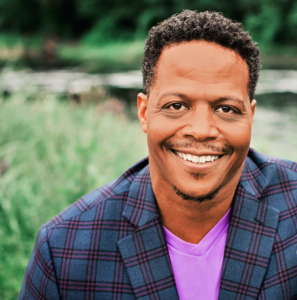
Bukata Hayes, Vice President of Racial & Health Equity for Blue Cross and Blue Shield of Minnesota, has spent two decades advocating for racial and social justice. His role at Blue Cross was specifically created to serve as an advisor and partner, helping leaders identify and execute initiatives to effect lasting change and apply a racial and health equity lens to every aspect of the organization. The Council recently caught up with Bukata to get his thoughts on the health equity journey at Blue Cross.
———
QUESTION: How long have you been with your organization and what’s been your journey to your role?
ANSWER: I joined Blue Cross and Blue Shield of Minnesota as Vice President of Racial & Health Equity at the end of March. My work with diversity, equity and inclusion has spanned 20 years in systems large and small, including the nonprofit sector, K-12 schools, higher education and rural communities. And while I just recently reached the official 90-day milestone at Blue Cross at end of June, I’m no stranger to the organization as I’ve been active with the board of directors for the Blue Cross and Blue Shield of Minnesota Foundation since 2014.
My parents have had a tremendous influence on my journey. My father was a pro-Black civil rights activist with a strong commitment and connection to community. And my mother modeled endless strength and persistence, even on the loneliest of roads. My mom was the only black woman in her classes to become a respiratory specialist. My parents believed in leading with humanity. And throughout my career, I’ve often been drawn to organizations and initiatives in their infancy and advocating for causes long before it was trendy to be having those conversations.
Before coming to Blue Cross, I served as the executive director of the Greater Mankato Diversity Council since September 2006. Before that, I served as the coordinator of the Multi-Ethnic Center at Bethany Lutheran College in Mankato, the first-ever position of its kind at the college. I’m also involved in numerous community and civic organizations, including the Mankato Chapter of the NAACP (executive committee); the Martin Luther King Jr. Commemorative Board, Mankato (president); the Steering Committee for Police Reform, Mankato; Mayo Clinic, Mankato Hospital Board; and the Blandin Foundation Board of Trustees.
Q: Disparities in health care have always existed, but in your view, how have recent events – like the COVID-19 pandemic and the murder of George Floyd – impacted health equity work and where it is headed?
A: We can no longer not center race in health equity work. Historical exclusion based on race has woven complex, systemic problems that can only be effectively addressed by looking through that same lens. COVID-19 laid bare the consequences of persistent inequities.
George Floyd’s murder, death by asphyxiation due to a knee on the neck, was in many ways the physical manifestation of the figurative existence of Black and Brown folks in this state, making it clearer than ever that we need to address and uproot what we have allowed to happen in our society. We must continue to acknowledge the historical roots of such tragedies and commit to undoing the residuals of systemic racism within our organizations, institutions and communities. And not just within policing, but in every corner of American life from health care to housing to income and more.
Responding to the symptoms hasn’t solved anything. The ground is fertile to focus on upstream issues and true systems change. As part of our overall business strategy, Blue Cross has made racial and health equity a blue chip, creating an enterprise-wide Racial and Health Equity Plan.
The plan’s central tenants are to:
- Create a diverse and inclusive workplace through representation and leadership.
- Reduce health inequities for people of color in the state of Minnesota.
- Remove barriers to health for Black, Indigenous, Latinx, Asian Pacific Islander and other communities of color through community partnerships.
- Foster deeper connections with our existing provider value-based partnerships and to accelerate health equity partnerships along with a value-based payment model to address clinical areas most impacted by racial disparities.
- Work to reduce barriers to care for our Medicaid members by increasing access to immunizations and well-care visits, improving maternal health, eliminating barriers to transportation, and increasing access to mental health care and dental services.
- We also became the first Minnesota health plan to create a gender services consultant position, committed to supporting inclusive and equitable care and service to transgender and non-binary members.
Q: What are some of the biggest barriers you see in delivering equitable care and what are steps that health plans can take to better connect with BIPOC communities?
A: The growing linguistic and cultural divide is perhaps the most visible barrier in health care. We need to embed language access in a way that helps people navigate the complexities of health care.
Core to the larger problem is our lack of understanding of both the historical roots of inequities as well as the full range of complicit behaviors that have allowed inequities to persist. We can’t change what we don’t confront or don’t fully understand. Health plans need to connect and partner with BIPOC communities, engaging in the gray area even when it’s uncomfortable and the path forward is uncertain. It’s vital that we approach these conversations with the full humility that we alone don’t have the answers.
Q: What specific initiatives (committees, taskforces, work groups, cabinets, etc.) have been created at your organization to address health equity? And given these initiatives, what progress has been made in terms of making care more equitable?
A: A central component of Blue Cross’ antiracism pledge was to listen to and learn from Black, Indigenous and communities of color (BIPOC communities) about how racism impacts health outcomes, what Blue Cross can do dismantle systemic racism and how the organization can work in solidarity with BIPOC communities to create a healthier and more equitable future.
Working Marnita’s Table to conduct a listening tour this past year has been powerful. Marnita’s table is a Twin Cities nonprofit dedicated to closing gaps across differences by amplifying the voices of BIPOC communities, the economically disadvantaged, LGBTQ+ and others left unheard in policy and community decision making. In total, we connected with 150 community members and what we learned helped us identify priorities so we can make changes where it is most needed.
Based on the feedback participants provided, six key priorities for Blue Cross to consider emerged:
- Actively work to build trust. Acknowledge and respond to historic and ongoing disparities in care and access to care.
- Address stigmas in health care related to race, citizenship, mental health and body weight. Provide more support for whole-person care.
- Prioritize affordability and accessibility of care. Develop user-friendly platforms for navigating insurance.
- Provide coverage for holistic and culturally appropriate care. Increase provider options and diversity of representation.
- Increase translation services in health care. Interpreters and multilingual information are critical to health equity.
- Provide technical support and computer literacy training for elders and others needing access to telemedicine services.
We have also taken a stand against systematic discrimination in our health care system on behalf of our transgender and non-binary members. Since 2016, Blue Cross has dedicated significant resources to establishing a new standard for excellence in transgender care and service. We refined our benefit and policy communications to ensure they offered clear guidance on gender-affirming services available to our members. We made our written and spoken language to members more inclusive, meaningful and respectful of the LGBTQ community.
Blue Cross also created the role of gender services consultant to provide personalized, affirming guidance to our transgender and non-binary members and their families, helping them navigate care and coverage questions, connecting them to health plan benefits and helping them find the right doctor.
Q: What role do you see partnerships (with the community, with the state, with others in the health care ecosystem, etc.) playing in advancing health equity efforts?
A: The community has the answers. The only way forward is to share power and partner. Being part of the solution requires a humble posture cognizant of how we contributed to the problem and then lifting up the solutions identified. Because of the sheer number of Blue Cross members in our state, we can often play the role of a convener, drawing organizations to the table where we can make progress together.
Q: What role does organizational culture and diverse staffing play in health equity?
A: Who we are as an employer is directly connected to our ability to impact health equity more broadly. Working to get it right on the inside allows us to show up genuinely with our stakeholders, opening the door to mentor or be mentored since we’re on this journey together. My role was specifically created at Blue Cross to serve as an advisor, bridge builder, strategic leader and partner, supporting leaders across the organization to identify and execute initiatives to effect lasting change and apply a racial and health equity lens to every aspect of the organization.
Q: Distrust in the health care system continues to be a huge challenge when it comes to health equity, which has been laid bare by lower COVID vaccination rates in communities of color, but impacts other care, also. How do we rebuild trust in BIPOC communities?
A: The roots of health care system distrust are deep, emanating from the history of medical malpractice against Black and Brown people in this country. From experimentation on enslaved women without anesthesia, to more than 3,000 American Indian women being involuntarily sterilized by the Indian Health Service, all the way to Henrietta Lacks whose cells have enabled more than 70 years of medical research and advancements even though those cells were cultivated without her consent.
Resolving centuries of distrust takes time, transparency, and consistency. However, such distrust is not solely down to historical trauma. Our ongoing contemporary issues with systemic racism, discrimination and unequal access to quality health care actually threatens to be the bigger barrier to overcome for many BIPOC communities as that is their lived experience. That is why it is crucial we build relationships and are transparent and accountable to the communities, sharing resources, power, and building our own cultural competencies to be better advocates and providers of health. And this has to be the norm, not just when there is a global pandemic, and vaccine to distribute.
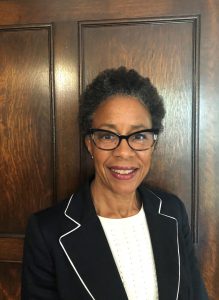
Through their work together at UCare, Dr. Julia Joseph-Di Caprio, Chief Medical Officer for UCare, and Pleasant Radford, Jr., Health Equity Officer for the health plan, are creating bridges that will bring about better care for diverse populations. The health plan is looking at everything from provider engagement to their internal functions to ensure health equity for members. The Council recently caught up with Julia and Pleasant to get their perspective on UCare’s health equity journey.
———
QUESTION: How long have you been with your organization and what’s been your journey to your role?
ANSWER: Julia – I’ve been with UCare since 2018 as SVP and chief medical officer. My health equity journey started even before I went to medical school in that I recognized early on that caring for people is connected to the way in which they live. Then as I went through medical school and began working at Hennepin County Medical Center, now known as Hennepin Healthcare, we knew that our work would only be successful if we address more than what was happening in the clinical context. It has only been more recently that I and many others have understood that structural racism (racist policies, procedures, systems) causes disparities in care and outcomes. Also, at UCare, we are fulfilling our role in addressing the social drivers of health and anti-racism within our work and with our provider partners.
Pleasant – I’ve been at UCare as the Health Equity Officer since 2020. I have always been fascinated at the fact that the United States spends a lot of money on health care, but our health outcomes are not much better than many other countries. My interest in health care began as a child because my mom was nurse, and so I got a chance to see her love for that work and the empathy she had for the patients she treated. My original plan was to be a medical doctor, but then I decided to take some time off before going to medical school to explore the world. Peace Corps was that opportunity. In that, I learned so much about public health. I realized in that small time that community plays a huge role in your health. I decided after that to focus more on the public health side instead of going to medical school. The jobs that I’ve had have really been a connective thread across that. Now, in my role at UCare as the Health Equity Officer, I’m leading this work to ensure that we are thinking of health and racial equity at a systemic level by working with and for communities to address their needs.

Q: Disparities in health care have always existed, but in your view, how have recent events – like the COVID-19 pandemic and the murder of George Floyd – impacted health equity work and where it is headed?
A: Pleasant – What we saw was greater cognitive dissonance between the idea of America and the reality of America. Many of us believe that America is the land of the free – that it is just, fair, and equitable. In fact, what we saw last year was the reality that America is not just, fair and equitable for everyone. I believe the murder of George Floyd served as the pinnacle where people realized: “I cannot believe that this is America.”
With COVID-19, people really saw the frailty of our health care infrastructure and how important public health is to improve the health of our communities. The pandemic allowed people more time to practice introspection and decide on what we need to change this. Both of these events – COVID-19 and George Floyd – impacted health equity because people now see how structural racism is a root cause. It is important for us to see the role that racism plays in healthcare, the role we play in enabling that system, and how we can start to change that system – the policies and procedures – to achieve health equity for all.
Julia – It wasn’t enough for people to say they were suffering from structural racism. People had to see someone murdered on camera before people would say “this is a thing.” I do believe the pandemic and its disproportionate effect on folks did advance the cause of addressing the structures that drive these impacts. I think the impact of the murder of George Floyd did accelerate things. I think our challenge now is to make this work even more sustainable over time. What I also reflect on is that, even for organizations like UCare that has years of partnerships with communities, some leaders are asking us about our commitment. We have to go with humility and recognize that many people have been advocating and doing this work for years, and we have to make sure that we take our direction from them. I also think we must honestly say that this is a curved path and there will be retrenching. I think we must recognize that even with all that happened over the last 15 months, we are not a point yet where this work is sustainable, and we need to build sustainability.
Q: What are some of the biggest barriers you see in delivering equitable care and what are steps that health plans can take remove those barriers and better connect with BIPOC communities?
A: Julia – I’ll speak to some of our core health plan work as it relates to ways in which we can remove barriers. For instance, with our work with providers, we will expect improvements in advancing health equity. I can see plans continuing to evolve and deepen that work including requirements around the diversity of the workforce in our partners. I could see core health care functions used to drive health equity.
Pleasant – Trust. I cannot emphasize that enough. There is a lack of trust in the health care system. That’s a huge barrier. If you are not able to trust the providers and the health care system to help in your journey toward optimal health, then it becomes difficult to stay healthy. Another part that I think is important to state is that health equity is a process and an outcome. We never completely “arrive” at health equity. We are constantly learning and re-learning. One barrier is that we often see it only as an outcome – we don’t respect the process that it takes to get there. You are going to make mistakes along the way. It is important to acknowledge those mistakes, say you’re sorry and continue to grow.
Q: What specific initiatives (committees, taskforces, work groups, cabinets, etc.) have been created at your organization to address health equity? And given these initiatives, what progress has been made in terms of making care more equitable?
A: Given the large number of members UCare serves who are most at risk of facing inequity, this work is embedded across many work groups, committees and subcommittees throughout UCare.
- UCare has a cross-department Health Equity Committee that identifies new opportunities, shares learnings and reviews updates on initiatives.
- Our Population Health team and subcommittees integrate health equity goals into all of their member health activities.
- Our Community Outreach teams contact members who face the most inequities to help them get their COVID-19 vaccines and connect them with community resources to avert social risk factors.
- Our Health Promotion Department has quite a few programs specifically directed to counter inequities especially around food insecurity.
- We are also kicking off an internal DEI work plan, which ties into health equity on all fronts. An Oversight Committee and Employee Advisory Committee helped drive and provide input for this plan.
Q: What role do you see partnerships (with the community, with the state, with others in the health care ecosystem, etc.) playing in advancing health equity efforts?
A: Pleasant – Partnerships are extremely important. It was one of the main reasons why I joined UCare. We have such a strong history of partnerships with the community. As I think about health equity, partnerships are the foundation of that. I believe partnerships help evolve and broaden our reach to strengthen our impact. As organizations, we see things through a certain lens, but it is not the only lens that will solve a problem or create a solution. Partnerships are key so that we leverage the unique assets and strengths we have to offer. They also allow us to contextualize health care and health equity within communities so that we better understand what is the right solution to reach optimal health. Partnerships teach us humility. We don’t know everything, so they allow us the learning and dialogue that must take place. Ultimately, our partnerships make us stronger in our work.
Julia – Some examples of partnerships include our work with the Minnesota Medical Association, funding their initiative to improve health equity, and Stratis Health, funding their work on their Culture Care Connection website. It is designed to help health care professionals by providing tools and resources to help them be responsive and supportive of the diverse patients they serve.
Q: What role does organizational culture and diverse staffing play in health equity? How can health plans use cultural competencies to improve health outcomes?
A. Pleasant – Organizational culture is so important. It undergirds how we operate, think and create policies, processes, and procedures for employees. As we think about health equity and culture, it’s important that our culture reflects the communities that we serve. We have to ensure that we have the right people in the right conversations to make the right decisions. When we make the wrong decisions, it costs time, money and lives. A diverse staff improves our work, our culture and the health of our employees and members.
Julia – The COVID vaccination development is a prime example of how quickly systems were able to adapt to the pandemic and provide care using significant technologies like ECMO and other things. That makes what happened last year so stark. You wonder if people brought the best thoughts to bear around the social drivers of health and advancing racial and health equity, would last year had been such a disgrace? Because that came from years of not addressing what we knew needed to be addressed. We need to bring the best minds to bear, which means diverse thinking, like we have for other health issues. If we brought that same thinking to bear in terms of advancing health equity, we would be able to solve it.
Q: Distrust in the health care system continues to be a huge challenge when it comes to health equity, which has been laid bare by lower COVID vaccination rates in communities of color, but impacts other care, also. How do we rebuild trust in BIPOC communities?
A: Pleasant – We have to combat a deficit-based mindset. If all you see are the stereotypes of an individual or community versus looking at them from an asset-based perspective – in the sense that they have a lot to offer and we can learn a lot from them – this will be a barrier. We have to ask ourselves: How can I be humble and engage in a dialogue with this person so we can offer equitable care? It will be important to take those steps so that we can continue to build that trust in our communities of color.

During her tenure at PreferredOne, Dr. Abbie Miller, the health plan’s Chief Medical Officer, has placed an acute focus on health equity. As a physician, she knows firsthand how critical it is to address health disparities in a meaningful way to improve patient outcomes. Asking the community for their preferences is a vital step. The Council recently caught up with Abbie to get her perspective on PreferredOne’s health equity journey.
———
QUESTION: How long have you been with your organization and what’s been your journey to your role?
ANSWER: I have been with PreferredOne for 2 years as the Chief Medical Officer (CMO). I am board certified in family medicine and I spent my career prior to PreferredOne in care delivery working as a hospitalist as well as medical director of care management and utilization management for a large system. In my role as a practicing physician, I came to the realization that there are problems inherent in the health care “system” that result in poor outcomes and health inequities that cannot be addressed simply through improving the doctor/patient relationship. This drove me to take on an administrative role so that I could help bring the lens of the provider to those larger “system” conversations.
Q: Disparities in health care have always existed, but in your view, how have recent events – like the COVID-19 pandemic and the murder of George Floyd – impacted health equity work and where it is headed?
A: I think that recent events have brought a new level of awareness and brought the conversation to the forefront. In health care, we have spent time examining the problem of health equity, often discussing “social determinants of health.” We recognize that health outcomes are different based on these factors, but my hope is this momentum will drive us to action rather than continued examination.
Q: What are some of the biggest barriers you see in delivering equitable care and what are steps that health plans can take to better connect with BIPOC communities?
A: I continue to see gaps in ensuring patients feel they can relate to their provider. This means we need more diversity in our provider networks, which starts with ensuring more diversity in our medical education programs. I think the best way to connect is to not presume we know what is desired or needed and instead have conversations with those in our community about their experiences and ask for input.
Q: What specific initiatives (committees, taskforces, work groups, cabinets, etc.) have been created at your organization to address health equity? And given these initiatives, what progress has been made in terms of making care more equitable?
A: At the health plan level, we are trying to gather more information about the providers and members covered by our plan. We want to know whether they are more comfortable speaking a language other than English, whether they are a person of color, whether they identify as LGBTQ. Then we want to make sure that our provider network is similarly diverse and that we not only identify a provider’s specialty but also what language(s) they speak and whether they are experienced in caring for LGBTQ persons. We are making slow progress on this given we have to overcome perception of the historical use of this information to discriminate.
As a system-owned health plan, our system owners have created the H.O.P.E Commission to better identify systemic issues that lead to disparities and create a plan to address those issues.
Q: What role do you see partnerships (with the community, with the state, with others in the health care ecosystem, etc.) playing in advancing health equity efforts?
A: I believe partnerships are crucial in this work as it will take a system-based approach to fix systemic problems. We must work together with community organizations to have hard conversations about shared past negative experiences, reach a common understanding about future needs and work together to create trust and a path forward.
Q: What role does organizational culture and diverse staffing play in health equity? How can health plans use cultural competencies to improve health outcomes?
A: As I stated above, we relate to one another through shared experience and shared history. Ensuring diversity throughout our health plan staff, just like our network, will help our diverse members feel more comfortable. It will also raise collective awareness and cultural intelligence across the organization.
Q: Distrust in the health care system continues to be a huge challenge when it comes to health equity, which has been laid bare by lower COVID vaccination rates in communities of color, but impacts other care, also. How do we rebuild trust in BIPOC communities?
A: We must work together with community organizations to have hard conversations about shared past negative experiences, reach a common understanding about future needs and work together to create trust and a path forward.

During his time at Hennepin Health, Michael Webber, the health plan’s Analytics and Health Economics Manager, has taken health equity initiatives head on. His work entails working directly with vulnerable communities to find solutions that will enable better health care. This involves intentional listening, learning — and doing. The Council recently caught up with Micheal to get this insights on Hennepin Health’s health equity journey.
———
QUESTION: How long have you been with your organization and what’s been your journey to your role?
ANSWER: I have worked for Hennepin Health for 3 years in analytics and health economics. I previously worked in accountable care organization (ACO) analytics at Fairview and in orthopedic bundled payments and lean at Avera Health in South Dakota. I came to Hennepin Health because I was excited to apply my skills at the intersection of finance, operations, and analytics at an organization with a mission to improve health care for members that often face social and behavioral health barriers. I believe analytics play a role in highlighting disparities and measuring the efforts to improve them.
Q: Disparities in health care have always existed, but in your view, how have recent events – like the COVID-19 pandemic and the murder of George Floyd – impacted health equity work and where it is headed?
A: I’m proud that Hennepin County and Hennepin Health were already prioritizing equity before the pandemic and the murder of George Floyd. These events brought attention to areas where we were already making investments.
Hennepin Health provided funding in 2019 for a Hennepin Healthcare project that improves prenatal care for American Indian and Black/African American communities through models of care that incorporate community-based and culturally responsive programming. The same year we provided funding for a pilot program at Northpoint called the Mama Mtoto program for Black/African-American mothers facing social barriers. We also have invested in recruiting and training doulas from groups that experience health disparities.
Q: What are some of the biggest barriers you see in delivering equitable care and what are steps that health plans can take to better connect with BIPOC communities?
A: In analytics, we are specifically focused on measuring disparities. We need to be able to measure disparities in order to know where to focus our efforts and to know whether or not our efforts are improving them.
At the same time, getting the perspectives of individuals in groups experiencing disparities is important. I previously mentioned a Hennepin Healthcare project that we funded. Hennepin Health conducted a series of ten listening sessions with 168 U.S. born Black/African-American and American Indian women that focused on the women’s current experiences with prenatal care, birth, and postpartum care as well as their suggestions for what would improve those experiences and increase engagement with care. Their input was invaluable in improving prenatal models of care for Black/African-American and American Indian women.
Q: What specific initiatives (committees, taskforces, work groups, cabinets, etc.) have been created at your organization to address health equity? And given these initiatives, what progress has been made in terms of making care more equitable?
A: Hennepin Health funded the Mama Mtoto pilot program at NorthPoint. Black/African-American women experience an infant mortality rate of 10.4 per 1,000 births compared to 5.1 per 1,000 births across all other racial groups in Minnesota. The program uses a psychotherapy support group structure to teach positive coping behaviors, self-regulation, and child management skills. The program simultaneously encourages prenatal and postnatal visits. Of the 43 women enrolled, 85% had prenatal care within the 1st trimester, 82% completed an obstetrics physical at time of enrollment, 100% had at least 6-8 prenatal appointments with their primary care provider, 100% have completed a postpartum visit, 100% had healthy birth outcomes, and 100% of the babies delivered have completed well-baby exams.
Q: What role do you see partnerships (with the community, with the state, with others in the health care ecosystem, etc.) playing in advancing health equity efforts?
A: Providers tend to have more direct relationships with our members so we tend to partner with our providers. We know to make a difference that we need to support and leverage patient relationships with providers. We can do more with our partners than we could ever accomplish otherwise.
Q: What role does organizational culture and diverse staffing play in health equity? How can health plans use cultural competencies to improve health outcomes?
A: Listening session participants from the Hennepin Healthcare project frequently mentioned the desire for doulas from the same cultural background as themselves. In response we provided funding for a program through the Cultural Wellness Center to recruit and train U.S. born Black/African American doulas. The goal is to establish a perinatal workforce across Hennepin Health’s provider network that reflects the diversity of the plan’s enrollees. The program trained 15 Black/African American doulas who are now registered with the state to provide doula care.
Q: Distrust in the health care system continues to be a huge challenge when it comes to health equity, which has been laid bare by lower COVID vaccination rates in communities of color, but impacts other care, also. How do we rebuild trust in BIPOC communities?
A: I believe listening is the key. I’m proud that a Hennepin Health-funded program led to listening sessions that solicited feedback from 168 people from BIPOC communities. We can point to specific funding for culturally specific doulas that arose from that effort. BIPOC communities are going to trust us more over time if we solicit their perspectives and implement concrete responses to what we hear. In the end, we believe people support what they help create.
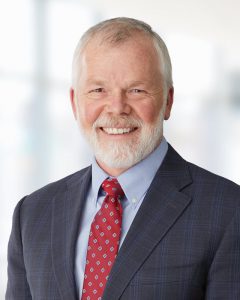
Dr. Patrick Courneya, Chief Health Plan Medical Officer for HealthPartners, and his team are making major changes throughout the organization in an effort to address health disparities in Minnesota. This includes building an antiracist culture at HealthPartners and increasing the diversity of health plan leadership by 100%. HealthPartners has also engaged in conversations with members, patients and the community to better understand what they can do to build trust. The Council recently caught up with Dr. Courneya to get his thoughts on the health equity journey at HealthPartners.
———
QUESTION: How long have you been with your organization and what’s been your journey to your role?
ANSWER: I first joined HealthPartners in 1991 as a family practice clinician and later served as medical director and associate medical director for the health plan. In 2014, I joined Kaiser Permanente in Oakland, Calif., where I served as executive vice president and chief medical officer for national health plan and hospital quality. Following my six years at Kaiser, I returned to HealthPartners in January 2020 as chief health plan medical officer.
Q: Disparities in health care have always existed, but in your view, how have recent events – like the COVID-19 pandemic and the murder of George Floyd – impacted health equity work and where it is headed?
A: Across HealthPartners, we felt the upheaval of the dual pandemics of COVID-19 and racial injustice in our community. While this work isn’t new for us, the events of the last year put a sharper focus on the racism, injustice and health care disparities experienced by communities of color. In a very real sense, we are digging even deeper into the systemic drivers of inequity and assuring that we are actively changing ourselves and advocating externally to eliminate those drivers. HealthPartners has redoubled our commitment to improving health equity and effecting meaningful change for our members and patients of color – and we’re encouraged to see many organizations in our community doing the same. This is an ongoing effort, but we’re set up for improved accountability with our new goals, initiatives and partnerships.
Q: What are some of the biggest barriers you see in delivering equitable care and what are steps that health plans can take to better connect with BIPOC communities?
A: We know many people in communities of color and other underserved health populations face additional barriers to access the care they need. Today, HealthPartners has multiple approaches to removing these barriers for our members and patients and promoting accessible care for all. Some efforts include language services, transportation services and a mix of options for appointments, including telehealth, drive-up sites and other accessible care sites. We are also examining our coverage and other policies with an equity lens, working to assure they do not unintentionally interfere with achieving health equity. In addition, we have several initiatives and partnerships to address social determinants of health in our community, including building homes with Habitat for Humanity, providing respite care with Catholic Charities and improving access to healthy food with local food shelves. We’re always looking for opportunities to improve this work and build trust among those we serve.
Q: What specific initiatives (committees, taskforces, work groups, cabinets, etc.) have been created at your organization to address health equity? And given these initiatives, what progress has been made in terms of making care more equitable?
A: HealthPartners is accelerating our equity work by aligning existing efforts across the organization and taking a more intentional approach to address health equity. As part of our renewed focus on this important work, last year we formed the HealthPartners Equity, Inclusion and Anti-Racism Cabinet, made up of a diverse group of our organization’s leaders. Under the cabinet’s leadership, we’ve set ambitious, public goals to achieve by 2025, including:
- Increase the racial diversity of our leadership team by 100%
- Build an anti-racist culture and deepen our understanding of cultural humility
- Eliminate disparities in maternal and infant care
- Eliminate disparities in childhood immunizations
- Eliminate disparities in chronic conditions and preventive screenings
Q: What role do you see partnerships (with the community, with the state, with others in the health care ecosystem, etc.) playing in advancing health equity efforts?
A: HealthPartners has always had a strong sense of health care partnership in our community. Health – for all people – is a team sport, and our communities are stronger when we can pull organizations together to build momentum, push for change and achieve common goals. As part of the HealthPartners 2025 Partners for Better Health Goals, one of our primary areas of focus relates to building partnerships in the community, because we know much of what contributes to an individual’s health and well-being happens outside of the health care system. In addition, we’re committed to building upon our current community partnerships with health equity at the forefront, including Make It OK, Little Moments Count and PowerUp.
Q: What role does organizational culture and diverse staffing play in health equity? How can health plans use cultural competencies to improve health outcomes?
A: Building a culture of inclusion in the workplace is critical for HealthPartners to provide quality care and health equity for every patient and member. We’re committed to being an organization where every person is welcome, included and valued – because when we embrace diversity, we’re better positioned to provide quality care to our members, patients and communities. Initiatives like our community health worker program prioritize connecting members and patients to those who share culture-specific knowledge, skills and values so more people feel represented, comfortable and empowered in their health care decision making.
Q: Distrust in the health care system continues to be a huge challenge when it comes to health equity, which has been laid bare by lower COVID vaccination rates in communities of color, but impacts other care, also. How do we rebuild trust in BIPOC communities?
A: The pandemic cast new light on the ongoing issue of health disparities in our community. COVID-19 disproportionately affected communities of color, and we recognize the issues of mistrust in our community and the health care system. Some of the work HealthPartners is currently doing to build trust among our members and patients involves learning about their unique experiences within the health care system. We’ve engaged in conversations with our members, patients and community to better understand what we can do to build trust, address bias and provide a more welcoming environment for people of all backgrounds. Through these important conversations, we’ve gained new perspectives on how to better care for and serve people and have implemented changes based on what we’ve learned. This is an area of focus for us, and we’ll continue to work closely with all those we serve in order to build trust and ultimately improve health outcomes.
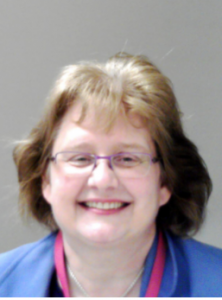
Minnesota’s nonprofit health plans are placing a renewed focus on health equity, recognizing how pervasive health disparities are in our state. Health plans are looking at everything from workforce diversity and training to ways in which they can better deliver care and access to communities of color. Over the next few weeks, the Council will be highlighting their efforts through Q&A interviews with health plan leaders. We start with Cara Broich, Medica’s Senior Director of Quality and Clinical Advancement.
———
QUESTION: How long have you been with your organization and what’s been your journey to your role?
ANSWER: I have been with Medica for 29 years. Prior to working for Medica, I was a Cardiovascular ICU nurse. Throughout my tenure at Medica, I have worked in various roles focused on quality and population health. My role in health equity came naturally out of my interest to improve the health of our members and communities. I lead the Health Equity Workgroup and Health Equity Leadership Subgroup at Medica.
Q: Disparities in health care have always existed, but in your view, how have recent events – like the COVID-19 pandemic and the murder of George Floyd – impacted health equity work and where it is headed?
A: Although health inequities have always existed, the COVID-19 pandemic and the murder of George Floyd took our focus on these inequities to another level. Now it is much easier to get the support needed to move initiatives forward. On one hand, it is disheartening to realize that it took a video recording of a man’s murder, and a pandemic, to really enable us to gain traction on these initiatives.The level that our initiatives have been elevated to, and the support we have received from across the organization, and our board, has been overwhelming. I am excited to see how our work will address health inequities in our community.
Q: What are some of the biggest barriers you see in delivering equitable care and what are steps that health plans can take to better connect with BIPOC communities?
A: There are multiple issues that hinder the delivery of equitable care. One of the biggest is that the medical community hasn’t focused on it. Historically, most medical studies were conducted on white males and medical guidelines were developed around those studies. We need to take a step back and look at guidelines and policies with an equitable lens. When we find that a guideline, policy, or practice has directly or indirectly contributed to the development of a barrier, we must take action and make changes. Where changes are made, our BIPOC community leaders will need to be informed about how the changes may have a positive impact on our diverse citizens. We must show that we are taking action in order to gain the trust of members of communities who have been marginalized for generations.
Another barrier is the availability of data. We do have race, ethnicity and language data for our Medicaid population, however for the Commercial, Medicare and individual business, data is extremely limited. This forces us to use generalized data from other sources. To truly be able to improve care, we need to be able to measure what is going on within a population and then work in partnership with the BIPOC community to address the issues. Connecting with community organizations is truly the key to improving care. Medica has hired staff to focus on community partnership, but again, the data is lacking for non-Medicaid populations. I can use data to identify the issues, but it is critical to work with the BIPOC community to develop ideas on how to address the issues. Only in partnership can we improve health inequities.
Q: What specific initiatives (committees, taskforces, workgroups, cabinets, etc.) have been created at your organization to address health equity? And given these initiatives, what progress has been made in terms of making care more equitable?
A: Medica formed a Health Equity Workgroup in June of 2020. The workgroup is focused on Medica’s Health Equity mission to assist our members in attaining their highest health potentials. We are committed to health equity, which holds that no person be disadvantaged from achieving their potential, as a result of barriers. We consider the many characteristics that make people unique – such as race, ethnicity, gender, sexual orientation, abilities, age, socioeconomic status, or veteran status – because any of these differences may be the basis for disparities in health care access, experience and outcomes. The workgroup is made up of people from across, and at all levels, of the company. The principles and commitments that guide our health equity work align with four areas of focus; they include:
- Leadership and decision-making
We will seek diversity in our representation and engagement to guide our work and decision-making at all levels of Medica, including our work group and leadership activities, and in our decision-making, policy and program development.
- Data practices
We will expand our data collection efforts, where appropriate, to guide necessary health equity interventions and evaluate our health disparities reduction efforts.
- Policies and procedures
We will examine our policies using an equity lens and make policy changes needed to promote equity, reduce health disparities, and eliminate barriers or unintended impacts on historically underrepresented and/or marginalized groups.
- Access and outcomes
We will review and develop policies and care models that improve access to care and community resources that meet our members’ diverse health-related social needs and preferences.
We decided to start by taking a tactical approach to health equity and have addressed many small areas first:
- Volunteered our staff to the Minnesota Department of Health to complete contact-tracing phone calls during the height of the pandemic.
- Reached out to our membership groups that were most affected by the pandemic to ensure they had their needs met and provided resources if necessary.
- Expanded the scope of our Network Access and Availability committee to ensure Medica offers sufficient, equitable and culturally competent provider access and availability across the member demographic groups it serves.
- Expanded the Quality Improvement and Care & Utilization Management committees to include a focus on health equity.
- Added specific health equity goals to both the Quality Improvement and Care & Utilization Management 2021 work plans.
- Developed a health equity rubric to evaluate Medica’s policies and procedures to ensure they are not hindering health equity. As policies come up for review, we are using the new tool to conduct the evaluation.
- Conducted a deep dive into the diagnosis of hypertension to test new data related to social determinants of health, race, ethnicity and language. This enables us to not only focus on a common disease state, but also test out new data sources. We are in the process of developing interventions based on our findings as well as expanding our data collection sources.
- Modified the criteria used in Medica Foundation grant process to further expand the evaluation of proposals based on their impact to health equity.
- We are partnering with a clinic that serves mostly underserved populations to assist them in their COVID-19 vaccine efforts by providing volunteers.
- Following the murder of George Floyd, we reached out to our members who lived in affected communities to assist them in obtaining health care and prescriptions.
- Reached out to our Medicaid enrollees to assist them with scheduling COVID-19 vaccinations and arrange for transportation.
Q: What role do you see partnerships (with the community, with the state, with others in the health care ecosystem, etc.) playing in advancing health equity efforts?
A: No one organization can solve the problems, however, if we work in partnership we will be able to work toward a solution together. These are very complex issues that involve all aspects of health care; from the way medicine is practiced to social determinants of health to trust issues. Through partnership with the State, health plans, providers and community organizations, we will make progress.
Q: What role does organizational culture and diverse staffing play in health equity? How can health plans use cultural competencies to improve health outcomes?
A: Organizational culture and diverse staffing play a very important role in health equity. It brings forward diversity of ideas and opinions that lead to better, more equitable decisions. In an effort to reduce health disparities, you must truly understand the diverse communities that are impacted. The best approach to understanding these communities is to immerse yourself in their culture and allow that culture to weave itself into the fabric of the company’s practices, policies and behaviors. Employee cultural competency plays a critical role in improving health equity. It allows staff to understand where various members are coming from and what needs they may have. It allows for empathy. It also emphasizes that diversity of experience and ideas is a good thing, which leads to creative problem solving.
Q: Distrust in the health care system continues to be a huge challenge when it comes to health equity, which has been laid bare by lower COVID vaccination rates in communities of color, but impacts other care, also. How do we rebuild trust in BIPOC communities?
A: Truly partnering with the BIPOC community is critical. We need to work with the trusted organizations within each of the communities to improve health equity. This needs to be a true partnership – not the health care system telling them how to solve the problems but really listening to their needs and working together to solve the issues. We must acknowledge how the mistrust has developed, own our contributions to its evolution, and take strides to gain the trust that we will need to be successful. We all must realize that this trust must be earned and may not be easily obtained. We must commit to taking action based on what we hear from our BIPOC communities.
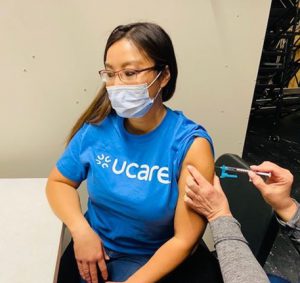
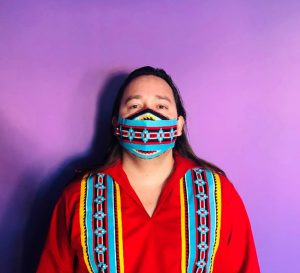
When the Council asked health plan employees why they chose to receive the COVID-19 vaccine, one thing was abundantly clear: They wanted to do their part to protect the community. We are sharing their stories of what motivated them to get vaccinated — and why they are also encouraging others to do so.
“I took one for my Hmong community to show them that the vaccine is safe and effective. And it is not only about protecting my family and myself, but the community as a whole,” said Pang Cha, Community Relations Supervisor, UCare.
“I got vaccinated to protect myself and my family. I wanted to protect my Native community and elders. Indigenous populations experience more severe outcomes and higher rates of death from COVID-19, and we need to do everything we can to protect our culture, including our people who have the knowledge that we depend on,” said Quanah Walker, Director of Behavioral Health Services, HealthPartners.
“COVID is the real enemy. Getting the vaccination helps me not to get it. I got the vaccination so that I can feel safe and do my part to make everyone safer,” said Jill Lantto, Complex Case Manager, Medicare Advantage, BCBS Minnesota.
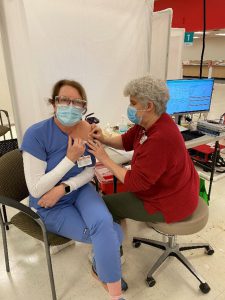
“I’m looking forward to getting back to traveling abroad,” said Cara Broich, Senior Director, Quality & Clinical Advancement, Medica.

“I have to admit I was hesitant at first about receiving the COVID vaccination. But I am 58 years old and have asthma, and COVID could be very dangerous for me. So I made the choice to get the vaccine,” Lori Osberg, Claims Examiner, PreferredOne.

“Getting my second dose was important to boost my protection and stop the spread,” said Lucas Nesse, CEO, Minnesota Council of Health Plans.
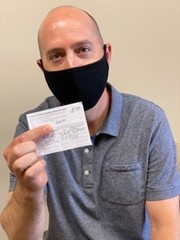
“My work as a nurse is rooted in science and empathy. Getting vaccinated is backed up by evidenced-based research. I am eager to help my community, especially those who are high risk, work the front lines and part of marginalized groups,” said Justin Juan, RN, Methodist Hospital (HealthPartners).
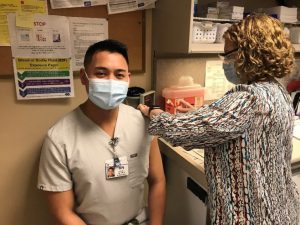
“I was a little hesitant to get the vaccine at first, but I decided to get it because I felt that the benefits outweighed the risks and I want to protect myself and others. I am super COVID leery, and I want to be able to travel and visit family and friends without fear of getting myself or someone sick,” said Carla Foster, Individual & Family Sales Specialist, UCare.
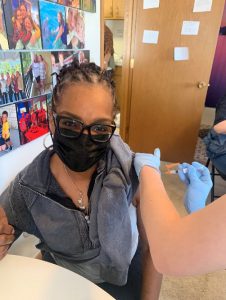
“I’m looking forward to getting back to hikes with my mom,” said Keely Brenno, Director of Communications, Medica.
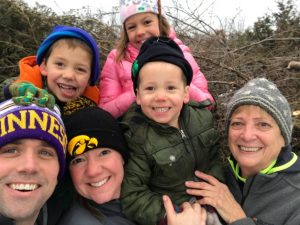
“I believe in the science behind the vaccine. I believe that is the quickest way back to normalcy. Back to enjoying all those things we love, without putting the people we love at risk,” said Debby Erickson, Medicare Sales Specialist, UCare.
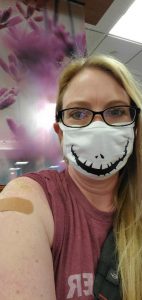
“I want to be protected from COVID-19 and I want to do everything I can to keep others from getting COVID-19,” said Dr. Julia Joseph-Di Caprio, Chief Medical Officer, UCare.

“I wanted to be protected from COVID-19 myself and to do my part to keep others from getting COVID-19 from me. I knew I was protecting my children, grandchildren, friends and anyone I come in contact with,” Ghita Worcester, SVP and Chief Marketing Officer, UCare.
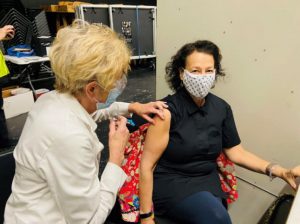
“I did so because I am doing my part! For the health of my family, friends, neighbors — the whole community,” said Patty Butenschoen, Provider Database Specialist, PreferredOne.
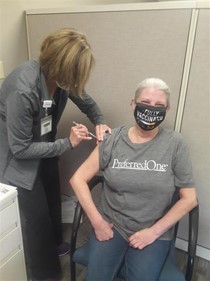
“It’s time to put an end to all the death and heartache. I want to be part of the solution in protecting our community from this awful disease,” said Jocelyn Parker, Director of Communications, Minnesota Council of Health Plans.
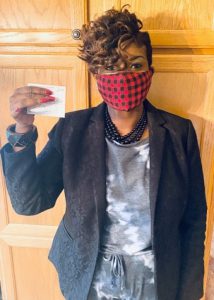
“What would be the point of all the pain, abuse, and sacrifice that my African-American ancestors endured if I wasn’t willing to stand up and keep fighting? This question played in my mind as I rolled up my sleeve to get the vaccine. My community has endured a lot. We have gotten this far on our journey towards better health – why stop now? Let’s commemorate the sacrifices our ancestors made and protect ourselves so that we can continue the fight to build a better health care system that reflects us and partners with us on our health and well-being,” said Pleasant Radford, Jr., Health Equity Officer, UCare.
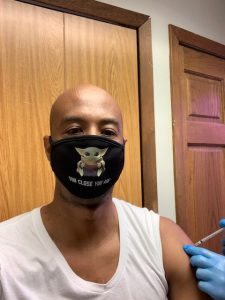
To find a vaccine location near you, visit the State of Minnesota’s Find My Vaccine tool.