The Minnesota Legislature and Gov. Tim Walz recently took decisive action to pass an extension of the reinsurance program before the April 1 deadline to meet the federal requirement to continue the program. What does this extension mean for the health, wellness — and pocketbooks — for Minnesotans? We answer a few key questions on what the overall impact will be.
What was the final deal?
The legislature passed and fully funded a three-year extension of reinsurance, ensuring the program will continue to hold down premiums and stabilize the individual market for 2023, 2024 and 2025. The program parameters were restored to the original 80% coinsurance rate, meaning that rates will be 20% lower on average than they would be without the program.
Who does reinsurance help?
Reinsurance helps everyone who purchases health insurance on their own instead of receiving it as a benefit from an employer or through a state public program. This includes farmers, small business owners, lower-income workers who do not have access to employer-sponsored coverage, Minnesotans who are in-between jobs, and those who retire early and are not yet eligible for Medicare. Approximately 167,000 Minnesotans purchase health insurance on their own.
What does this deal mean for Minnesotans who buy insurance on their own?
The extension of the program means that Minnesotans who buy insurance on their own will see rates 20% lower on average than they would be without the program. If reinsurance had not been extended, Minnesotans would be facing double-digit premium increases throughout the state.
What does a 20% reduction mean in terms of actual dollars?
The exact impact of the program varies by age, geographic location, and plan type, but in real dollars, Minnesotans will be paying between $500 and $4,600 less than they otherwise would pay without reinsurance.
What is the impact of reinsurance on the individual market?
Reinsurance brings certainty and stability to the individual market. Reinsurance pays a portion of high-cost medical bills — costs that are otherwise built into monthly premiums. An estimated 10,000-15,000 Minnesotans were projected to drop coverage due to premium increases if reinsurance was not renewed.
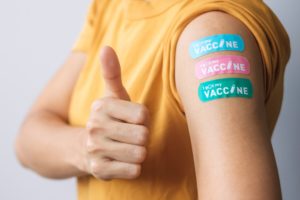
Rolling up your sleeves again may offer you the boost you need for the holidays and start to the new year.
With the spread of COVID-19 continuing to rise, millions of Americans are getting their booster shot as a way to further protect themselves from illness. The Centers for Disease Control and Prevention (CDC) now says Americans 16 and older should get a booster. They are recommended at least six months after receiving the second Pfizer-BioNTech or Moderna vaccine and at least two months after the one-shot Johnson & Johnson/Janssen vaccine.
This time around, people can choose the brand of booster they want to receive based on their preference or what’s most easily available to them. Some may opt to get the vaccine brand that they originally received, while others may prefer to get a different booster. The CDC now allows for this type of mixing and matching of booster shots – and remember that boosters, like the primary COVID vaccines, are free of charge whether you have insurance or not.
Why is it important for many Americans to get a booster now?
According to the CDC, new evidence shows waning protection against mild and moderate COVID disease after people are fully vaccinated for several months. Getting improved immunity is critically important now as we head into the holidays and winter months in which people are much more likely to gather indoors and be near each other.
The new booster recommendations do not mean the vaccine is not working. The two-dose Pfizer or Moderna vaccine, or the one-dose Johnson & Johnson vaccine are still effective at reducing serious cases of COVID — including the Delta variant. They also continue to reduce hospitalizations and death.
In addition, it’s important to note that the CDC still considers someone fully vaccinated two weeks after their second dose of the Pfizer or Moderna vaccines, or two weeks after a single dose of the Johnson & Johnson vaccine.
Where can you get a booster?
The vaccine – both as a booster and as an initial series – is available in health clinics, doctors’ offices and major retail pharmacies, including Walgreens and CVS. Minnesotans are also heading to special COVID vaccine clinics being held at elementary schools, community centers – even the Mall of America (MOA) where the State of Minnesota has created a community vaccination site. MOA is offering vaccinations for 5-11 year-olds, primary series doses to ages 12 and up, and boosters to ages 16 and up. Walk-ins are welcome and appointments can be made here.
The State of Minnesota also recently announced that as part of its Celebrate Safely, Minnesota campaign, roughly 35 state school-based vaccination clinics for ages 5-11 will begin offering booster shots to parents of children receiving their first or second dose in December and the first week of January. Additional 5-11 vaccine clinics will begin offering boosters as planning continues.
If you have questions about whether the COVID-19 vaccine, including the booster, is right for you, contact your health care provider. To find vaccination providers near you, visit vaccines.gov. The Council has also teamed up with the Minnesota Hospital Association to provide information on childhood vaccinations, including the COVID vaccine, as part of a Best Shot for a Great School Year campaign.

Being a nonprofit health plan means bringing wellness that is in reach for everyone. That was the topic of a recent Medical Industry Leadership Institute (MILI) webinar with Minnesota Council of Health Plans CEO Lucas Nesse, Medica CEO John Naylor and HealthPartners CEO Andrea Walsh. The CEOs, along with MILI’s Academic Director, Pinar Karaca-Mandic, had an engaging conversation sharing the variety of ways nonprofit health plans support the overall wellness of Minnesotans — from maternal and infant wellness to food security and education programs. Watch the video to learn more about how Minnesota’s nonprofit health plans put the community first.
By the Minnesota Council of Health Plans and the Minnesota Hospital Association
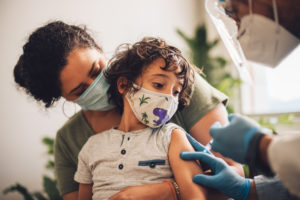
Just in time for the kids’ holiday break, the Centers for Disease Control and Prevention (CDC) has formally recommended the COVID-19 vaccine for children as young as 5.
The added protection comes at a crucial time as most schools are back to in-person learning and millions of families are preparing for holiday travel and festive gatherings. By choosing to get your children vaccinated – which is free of charge, regardless of your insurance status – you:
- Reduce the risk of the child transmitting the virus to older, more vulnerable adults.
- Help schools continue to teach in person.
- Reduce the risk of your own child getting sick and being hospitalized due to COVID. According to the CDC, 2 million children ages 5-11 have been infected with COVID and more than 8,300 have been hospitalized nationally.
The U.S. Food & Drug Administration, which gave the authorization for the shot for kids 5-11, said data show no adverse effects on the children. The vaccine was also found to be nearly 91% effective in preventing symptomatic COVID in this age group.
In an effort to get shots in arms, health plans and health systems are updating their COVID-19 vaccine outreach with specific information for families about how to get their kids vaccinated in Minnesota. For example:
UCare launched a new telephone outreach effort, targeting unvaccinated families with updated COVID-19 vaccine information regarding kids and teens. New messaging and FAQs have also been added to the health plan’s website and social channels. UCare is also sponsoring a series of educational videos translated into multiple languages to reach more diverse Minnesota communities.
HealthPartners is using email and text messaging to encourage families to schedule their children’s COVID-19 vaccination appointment. The organization is also using social and traditional media to promote appointment scheduling and to answer frequently asked questions.
Medica is encouraging childhood and youth vaccinations with information in its member, employer and broker newsletters and on its social media channels. The organization also will provide updates in the COVID section on its website and is planning a targeted email campaign to families with children of relevant age.
Meanwhile, Blue Cross and Blue Shield of Minnesota will utilize its blog as a source of vaccination info, as well as reach out to members via email to support youth COVID vaccinations.
The new vaccine is available in health clinics, doctors’ offices and major retail pharmacies, including Walgreens and CVS. Parents and kids are also heading to special COVID vaccine clinics being held at elementary schools, community centers – even the Mall of America where the State of Minnesota has created a community vaccination site.
If you have questions about whether the COVID-19 vaccine is right for your child, contact your child’s health care provider. Additionally, you can visit the State of Minnesota’s COVID-19 Response page to learn more about the vaccine for kids. To find vaccination providers near you, visit vaccines.gov.
By the Minnesota Council of Health Plans and the Minnesota Hospital Association
If there is one lesson we’ve learned about preventable illnesses in Minnesota in recent years, it is this: Don’t mess with measles. Measles is highly contagious and can be serious — even fatal. More than 100,000 people die from measles each year worldwide; most are under the age of five.
The good news: measles is preventable. And with most schools back in session full time and in person, you’ll want to make sure your child is up to date with this important vaccination. Like COVID-19, measles is caused by a virus. The measles vaccine has been around for more than 50 years, and it’s been so effective that the United States declared measles “eliminated” back in 2000.
Unfortunately, measles outbreaks still occur in the U.S. and are on the rise. The year 2019 saw the most U.S. measles cases in the last 25 years. In 2017, Minnesota experienced its worst measles outbreak since 1990, with almost a third of the patients who contracted the infection needing hospitalization.
So, what’s behind these concerning trends? Experts blame myths and misinformation. Here are the facts: Vaccines do not cause autism spectrum disorder, infant immune systems are strong enough to handle current vaccination schedules and there’s no risk of getting measles from the vaccine, either.
Like with several other vaccines, the CDC reported a drop in MMR (measles, mumps and rubella) vaccinations in 2020 compared with previous years, as more Minnesotans reduced participation in preventative care during the COVID-19 pandemic due to stay at home orders, health concerns and other factors.
Without the vaccine, children could be exposed to this highly contagious virus. Among people exposed to measles, studies show 90% will become infected if they’re not vaccinated. Measles is spread through the air as infected people breathe and cough. Measles can lead to pneumonia, brain damage, deafness and even death.
Symptoms of measles typically appear 10-14 days after exposure. Your child might have a fever, dry cough, runny nose, sore throat, inflamed eyes, diarrhea, ear infections and a blotchy skin rash. Often the inner lining of the cheek may reveal tiny white spots with bluish-white centers on a red background.
A Three-for-one
The measles vaccine is combined with vaccines for mumps and rubella (MMR). Children usually receive their first shot when they are 12-15 months old and again when they’re between four and six. In 2020, during the first months of the COVID-19 outbreak, Minnesota health officials reported a 70% drop in MMR vaccinations.
Today, hospitals, clinics and other providers have implemented new safety protocols to reduce the risk of in-person visits. Some providers are choosing certain days of the week for well-child visits, while others are also placing families in exam rooms immediately after check-in to avoid contact with others. Others are using drive-through clinics and specialized outreach programs. For example, many providers are working closely with key stakeholders in Minnesota’s Somali, East Asian and East African communities to share information and answer questions about these important vaccines.
These measures help families access preventive care and critically important vaccinations. Talk to your doctor about the MMR vaccine and whether your kids are up to date on their immunizations. COVID-19 is still with us, which means preventative care—including vaccinations—can help keep families and communities healthy.
By the Minnesota Council of Health Plans and the Minnesota Hospital Association
With most schools in Minnesota back in session, your student may finally be settling into that familiar, in-person school experience. That’s no small task, given the challenges families have faced with COVID-19.
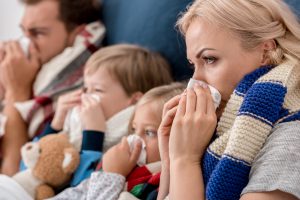
But have you also thought about influenza, also known as the seasonal flu? Like COVID-19, the flu can cause serious illness, require hospitalization and lead to death. As kids gather in schools and more activities move indoors as the weather cools, it will be critically important for children, as well as adults, to get their flu shot.
Lesson 1: Impact of Influenza
Most adults and children as young as six months can get a flu vaccine. People most at risk of getting influenza include older adults, young children, pregnant women and those with chronic conditions like heart disease, diabetes, and asthma.
The flu shot, also available in a nasal mist, stimulates the immune system to recognize and attack the influenza virus. The vaccine is updated each year to provide the best match against the current virus strains. Recent studies show a well-matched vaccine can reduce the risk of flu illness by 40-60% in the overall population. Flu season in Minnesota typically lasts from October through March.
Given that COVID-19 is still a threat in Minnesota and elsewhere, getting the flu shot is more important than ever. That’s because hospitals and their intensive care units – many already experiencing an increase in patient visits due to the busy summer season and the COVID Delta variant – would likely be stretched more if influenza became widespread. Experts worried about such a “twindemic” scenario playing out last year. Thankfully, it never materialized, as U.S. flu infections were the lowest ever – thanks in part to the widespread use of masks. However, there are renewed concerns about a resurgence of the flu and a subsequent twindemic this year, as mask-wearing has declined.
Influenza causes many of the same symptoms as COVID-19, including fever, headache, cough, sore throat, muscle aches and fatigue. In severe cases, the flu can cause pneumonia, bronchitis, ear and sinus infections. People with asthma could have an asthma attack and those with chronic congestive heart failure can be at risk of a heart attack.
But that’s not all. The flu can also weaken your body’s immune system, which could make you more vulnerable to COVID-19.
Lesson 2: Kids and the Flu Vaccine
So, are kids getting their flu shots? According to CDC estimates, just over 66% of children between the ages of six months and 17 years received vaccinations during the 2019-2020 flu season. That’s up from 62% two years earlier, but it still means more than 30% of eligible children are missing out. The good news? The flu vaccine is considered preventative care, which means it’s usually covered by your health plan through an in-network provider at no cost to you.
Flu shots are also widely available. You can visit your regular doctor, or you can get it at most pharmacies, clinics, retail clinics, public health offices – even many dental offices and workplaces.
Still on the fence about the flu shot? Maybe these facts will convince you to roll up your sleeve:
- The flu shot can help you avoid getting sick with influenza, which can be deadly. That’s no small feat, considering each year anywhere from 12,000 to 61,000 people die from influenza each year in the U.S., according to the CDC.
- You can’t get the flu from the flu shot, and the vaccine is safe.
- Multiple studies have found the flu shot can keep you and your kids out of the hospital and the intensive care unit. That’s an incredibly important consideration, because hospitals here and throughout the country are feeling the strain from COVID-19 once again.
Talk to your doctor about the flu vaccine and whether you and your kids are up to date on this vital immunization. COVID-19 is still with us, which means preventative care – including flu shots – can help keep families and communities healthy.
By the Minnesota Council of Health Plans and the Minnesota Hospital Association
With COVID-19 transmission among students being a top concern this school year, it’s imperative that parents do their homework to give their kids the tools they need to stay protected.
According to the Centers for Disease Control and Prevention (CDC), this means getting kids 12 and older their COVID-19 vaccine. While fewer children have been stricken with COVID than adults, kids can still be infected with the virus, become ill from COVID, as well as transmit it to others, the CDC reports.
The CDC recommends the COVID vaccine for both kids 12 years-plus and adults, as immunization is key in protecting against serious illness and ending this pandemic. Children 12 years and older are able to get the Pfizer-BioNTech COVID-19 Vaccine. Clinical trials are underway to evaluate the safety and efficacy of vaccines in younger children. Pfizer and BioNTech recently announced that the COVID vaccine is safe and appears to generate a strong immune response in a clinical trial of children 5 to 11. This age group may be eligible for vaccination by the end of the October.
Getting kids their COVID vaccine is especially important now, as pediatric hospitalizations are reaching record numbers nationwide. And with most schools going back to in-person learning, doctors and health officials fear that hospitalizations among kids may increase as the new Delta variant could drive COVID transmission higher.
The CDC says that parents should get a COVID-19 vaccine for children 12 and older as soon as they can. Some facts you should know, according to the CDC’s COVID-19 Vaccines for Children and Teens page, include:
- COVID-19 vaccines are safe and effective.
- COVID vaccines have been used under the most intensive safety monitoring in U.S. history, which includes studies in adolescents.
- Your child will need a second shot of the Pfizer-BioNTech COVID-19 Vaccine 3 weeks after their first shot.
- Children and adolescents receive the same dosage of Pfizer-BioNTech COVID-19 vaccine as adults. There are no patient weight requirements for COVID-19 vaccination, and COVID-19 vaccine dosage does not vary by patient weight.
- Your child can’t get COVID-19 from any COVID-19 vaccine.
- Your child may get a COVID-19 vaccine and other vaccines at the same visit or without waiting 14 days between vaccines.
COVID-19 shots are also widely available. You can visit your regular doctor, or you can get it at most pharmacies, clinics and retail clinics and other locations. The State of Minnesota COVID-19 Vaccine Connector is another tool that helps Minnesotans find out when, where, and how to get a COVID-19 vaccine.
Also remember that health plans cover the COVID-19 vaccine without charging members a copayment or coinsurance.
Talk with your doctor about getting your kids the COVID-19 vaccine as well as making sure they are up to date with their other immunizations. Staying healthy and protected against preventable illnesses will help ensure your child’s success!