How coordinated care is improving outcomes in Minnesota’s health care programs
Highly individualized, holistic care connects members to resources, removes barriers, and addresses the social drivers of health
Imagine you were about to hike an unfamiliar trail in Minnesota’s Northwoods. You might wonder how difficult the trail is, how long it will take, what kind of gear you might need, and whether there are places to rest along the way. At the trailhead, a park ranger greets you and asks if you have any questions and offers you a trail guide. What would you do? Enlist the support of the trail guide or take your chances and start walking?
When it comes to dealing with a health challenge, many Minnesotans prefer to have a guide to help provide support, so they do not have to go it alone.
That’s where care coordination comes in. Minnesota’s nonprofit managed care organizations (MCOs) provide care coordination as a unique benefit for members who are covered by state programs, like Medical Assistance and MinnesotaCare. Through care coordination, members receive highly individualized, holistic care to support their health and wellbeing.
Because many of the factors that support health and wellbeing happen outside the clinic’s walls—like housing, transportation, education, and access to healthy food, good jobs, and childcare—care coordinators focus on addressing these social drivers of health, connecting members to resources, and removing barriers to care. Care coordinators take the time to get to know members, understand their goals and needs, and connect them to the right resources at the right time.
Minnesota’s leadership in delivering Medicaid through managed care
Nearly forty years ago, Minnesota was an early adopter of the managed care model, which began as an innovative partnership between the state nonprofit plan community and providers to address severe access issues, a fragmented health care system, and growing and unpredictable costs. The model has helped the state improve access to care and provides much needed support to Minnesotans and has been replicated across the country. Forty-three other states now utilize managed care to support their public program enrollees, with both North Carolina and Oklahoma moving the Medicaid programs to managed care just this year. More states are moving toward managed care because of the high-quality care enrollees receive and the budget stability gained by the state.
Integrating services for Minnesota seniors
One example of Minnesota’s leadership in this area is Minnesota Senior Health Options (MSHO), a fully-integrated Medicare and Medicaid managed care service delivery system which provides those who are eligible for Medicare and Medicaid-funded services (or dual eligible) a full suite of services to ensure they get the care they need to maintain their best health.
“Sometimes it’s just a matter of connecting the person with the right resource at the right time,” said Janice Hubert, care coordinator at HealthPartners. “Part of care coordination is gathering the pieces together and helping our clients come up with a plan that’s going to work for them to help manage their healthcare, so they can be the healthiest they can be, and manage the best way that they can.”
MSHO assigns members a care coordinator who helps them identify their goals and how to best meet them as well as find the services they need when they need them. Over time, research shows members tend to have fewer preventable hospital stays and fewer trips to the emergency department. Further, members with chronic diseases were able to obtain more community-based services or assisted living care.1
By helping seniors navigate appointments, coordinating transportation for clinic visits, and providing education about chronic disease management, care coordinators ensure enrollees get the right care when they need it. By reducing emergency department visits, hospital stays and trips to see physician specialists, coordinators are reducing health care costs.
For example, a hospital system in Wisconsin found that for every $1 invested in care coordination for their highest-risk population, the hospital realized an $8 reduction in health care charges. When managed appropriately, inpatient visits were less frequent, less critical, and were, on average, 30% shorter. 2
Leveraging data to connect enrollees with the right care at the right time
Care coordinators also play a critical role helping reduce fragmented care in the delivery of both physical and behavioral health services. They work to connect enrollees with the appropriate level of high-quality care when they need it. The net result can be a better experience for members, with better care at a lower cost.
They might use a variety of strategies. For example, care coordinators use data to identify at-risk members and determine their care needs. They reach out and engage with members in their communities and work together to make their care more efficient and effective. Care coordinators can identify plan members who are using care services at a high rate and develop a management plan that addresses the underlying health conditions that might be contributing. For example, identifying and addressing diabetes, asthma, or high blood pressure in the primary care setting with chronic disease management strategies could prevent some of those emergency room visits or hospital stays.3
Care coordinators make things easier for individuals by helping them navigate the complex health care landscape, get them connected to needed medical care, behavioral services, and community-based supports. In short, they are the trail guides that help members find their way to better health and wellness.
Watch the video to learn more about how care coordination is enhancing the patient experience, reducing the cost of care, and improving the health of communities throughout Minnesota.
For more information on this topic and to learn more, check out our Fact Sheets on Managed Care and Care Coordination.
References
- Wayne L. Anderson, and Zhanlian Feng, “Minnesota Managed Care Longitudinal Data Analysis,” Minnesota Managed Care Longitudinal Data Analysis (Office of the Assistant Secretary for Planning and Evaluation (ASPE), March 30, 2016), https://aspe.hhs.gov/reports/minnesota-managed-care-longitudinal-data-analysis-0.
- “U.S. Department of Health and Human Services Assistant Secretary – ASPE,” INNOVATIVE MEDICAID MANAGED CARE COORDINATION PROGRAMS FOR CO-MORBID BEHAVIORAL HEALTH AND CHRONIC PHYSICAL HEALTH CONDITIONS: FINAL REPORT (U.S. Department of Health and Human Services Assistant Secretary for Planning and Evaluation Office of Disability, Aging and Long-Term Care Policy, May 2015), https://aspe.hhs.gov/sites/default/files/private/pdf/158526/comorbid.pdf.
- Ibid.
Minnesota’s nonprofit managed care organizations address the social drivers of health and provide personalized, responsive care, to improve the health and wellbeing of Minnesotans and ensure everyone in the state has access to the affordable, equitable and quality-based care they need today and in the future. We know that much of what keeps communities healthy happens outside the clinic’s walls and the factors that influence people’s health and wellbeing can be deeply personal. That’s why Minnesota’s nonprofit managed care organizations provide care coordination as a unique benefit with highly individualized, holistic care to connect plan members to resources, remove barriers to care, and address the social drivers of health.
Working to solve racial disparities in Minnesota’s birth outcomes and experiences by keeping a spotlight on the issue
No other developed nation has a higher maternal mortality rate than the U.S. and the rate today is higher than it was 25 years ago. A look behind these overall numbers shows even worse outcomes for Black families: Black women are about three times more likely to die of pregnancy related complications than white women and Black infants are more than twice as likely to die as white infants.
The mission to improve maternal and birth outcomes in the U.S., especially for Black families, grows more urgent each year. As we recognize Black Maternal Health Week April 11-17, it’s important to keep a spotlight on these issues to find opportunities to address and resolve racial disparities in birth outcomes and birth experiences.
The Minnesota Department of Health (MDH) Maternal Mortality Review Committee at the Minnesota Department of Health (MDH) recently released a report on maternal mortality documenting significant disparities in maternal mortality; Black Minnesotans, who comprise 13% of the birthing population, accounted for 23% of maternal deaths during the study period. The report made several recommendations to address disparities in maternal health and prevent maternal deaths, including:
- Expanding access to care,
- Improving support for those with substance use disorders (SUD) or mental health conditions,
- Acknowledging historical trauma and racism and addressing bias, and
- Providing support for more community support and culturally informed care.
Dr. Rachel Hardeman, co-chairs the committee that conducted the analysis for the report and also leads the Center for Antiracism Research for Health Equity at the University of Minnesota and has called for Minnesota to lead the way in implementing change in communities to improve outcomes.
The Minnesota Council of Health Plans and our member plans are working together to tackle these disparities in a variety of ways, including through advocating for systems change at the legislature, helping grow the workforce, centering patients to improve the birthing experience, developing educational initiatives, and partnering with communities.
The Council and member plans are also working collaboratively through the Healthy Start Performance Improvement Project, which began in the spring of 2021.
The project focuses on ensuring a “healthy start” for Minnesota children by concentrating on improving services provided to pregnant women and infants, with a particular focus on reducing racial and ethnic disparities. Interventions will include working with a wide variety of partners to improve access and coordination of resources to help mothers and children get the right care at the right time in the right setting.
In addition to our collaborative work, member plans are leading a variety of efforts to improve outcomes. See just some of the recent examples of this innovative work below.
- Blue Cross Blue Shield of Minnesota – Growing the doula workforce and increasing number of diverse doulas by hosting free, 4-day doula training in partnership with Everyday Miracles.
- HealthPartners – Educating patients and providers about the availability and importance of doula care to increase uptake of doula services and better understanding of how doulas work with medical care teams.
- Hennepin Health – Supporting healthy pregnancies, culturally congruent prenatal and postpartum care, and positive birth and well-child outcomes with a focus on community partnerships
- Medica – Supporting the “doula dads” program to support families through the birthing process.
- Sanford – Improving the birthing experience and centering patient wishes through the use of birth navigators, doulas and midwives in the hospital.
- UCare – Advocating for systems change to reduce structural barriers for building the doula workforce; especially for Black doulas.
 By the Minnesota Council of Health Plans and the Minnesota Hospital Association
With so much attention over the past 2-plus years on COVID-19 testing and vaccines, it’s important to remember your children may be due for other important vaccines — or even overdue. Many families delayed routine vaccinations early in the pandemic.
As the new school year begins, this would be an excellent time to get your kids caught up. While the COVID-19 vaccine remains a priority, it’s important to not forget about other key immunizations. The following vaccines are recommended for kids from birth to age six.
Let’s start at B
The HepB vaccine is one of the first vaccines your child will get shortly after birth. This three-dose vaccine protects your child from Hepatitis B, a contagious liver disease that can be serious. Infants and small children often don’t show symptoms, which means without the vaccine they can easily spread the disease to others.
Avoid the RV
Babies typically receive one of two Rotavirus vaccines when they are two months old. One version is given in a two-dose series, the other is a three-dose. Both come in drops which are given by mouth. Rotavirus mostly affects babies and small children. It causes diarrhea, vomiting and fever and can be serious. The virus is spread from babies’ poop and can live on objects for days.
Polio
Although polio has been eradicated from the U.S. for 30 years, cases still occur in other parts of the world. And most recently, there has been a resurgence of Polio in parts of the U.S. As a result, the polio vaccine is still recommended. The polio shot is given in four doses beginning at two months and ending at age 4-6. Polio can infect the spinal cord, causing paralysis or death.
Hib vaccine
Babies also receive the Hib vaccine beginning when they are two months old. Caused by a bacterium, the most common Hib disease is meningitis — an infection of the tissue covering the brain and spinal cord. Symptoms can include fever, headache or stiff neck, confusion, sensitivity to light and poor eating and drinking. Most babies with Hib disease require hospital care and the disease can be fatal.
Pneumococcal vaccine (PCV13)
A four-dose series of the pneumococcal vaccine shot is given to babies beginning at two months. The vaccine prevents pneumonia, a bacterial infection that starts in the lungs, and pneumococcal meningitis, an infection of the tissue surrounding the brain and spinal cord. Pneumococcal disease is responsible for up to half of all ear infections. It is spread by infected people coughing and sneezing.
Back to A
The Hepatitis A vaccine is a two-series dose beginning between age 1 and 2. It is important to be protected against Hepatitis A, which is a liver disease, because the disease often shows no symptoms in children up to age six. This means other people can be infected. The HepA vaccine has reduced the incidence of Hepatitis A by 95% since the 1980’s.
Three for one (MMR)
The measles vaccine is typically combined with vaccines for mumps and rubella (MMR). Children usual receive their first shot when they are 12-15 months old. The second shot is typically administered when they’re between four and six. Call your child’s health care provider and ask about the MMR vaccine.
The measles vaccine has been available for more than 50 years. It is highly effective, too. In 2000, the U.S. even declared measles “eliminated.” However, measles outbreaks are not uncommon anymore. In 2019, the U.S. had more measles cases than had ever been seen in the previous 25 years. In 2017, Minnesota saw its highest number of measles cases since 1990.
DTaP or Tdap
For all-in-one protection against diphtheria, tetanus and whooping cough (pertussis), your child will receive the DTaP or Tdap vaccine in five doses—the last two at age 4-6 and a booster called Tdap at 11 or 12. All three of these diseases can be serious. Diphtheria starts with a sore throat, fever and chills and then causes a thick coating in the back of the nose or throat. Tetanus is caused by bacteria that produces a toxin found in soil, dust and manure. The toxin can enter the body through breaks in the skin. Symptoms include muscle stiffness, jaw cramping and difficulty swallowing. Whooping cough is a respiratory illness that can cause violent coughing fits that can include gasping for air, making a “whooping” sound.
Other vaccinations
In addition to the MMR vaccine, children four to six are often scheduled to receive final doses of vaccines that were started when they were younger, including DTaP, chickenpox and polio. Before your child heads off to school for the first time, learn what vaccines may be required before starting the school year. Your health care provider can also tell you what vaccines your child needs.
Chickenpox
The chickenpox vaccine is recommended, at 12-15 months and age 4-6. Chicken pox causes a rash of itchy blisters, fever and headache. Serious cases can cause skin infections, dehydration, pneumonia, and encephalitis (brain swelling).
HPV
Human papilloma virus is group of 150 viruses that can cause cancer in men and women. The 2-dose HPV vaccine is typically given at age 11 or 12. The HPV vaccine is safe and effective in preventing the growth of precancerous cells. Nearly 200,000 women are diagnosed with pre-cervical cancer each year in the U.S. More than 4,000 women die of cervical cancer each year. HPV is spread by sexual contact, including vaginal, anal and oral sex.
Meningococcal vaccine
Doctors recommend pre-teens and teens get vaccinated for meningococcal disease, which is any illness caused by meningococcus bacteria. This two-dose shot also protects against meningitis, a potentially deadly infection of the tissue surrounding the brain and spinal cord. Meningitis can also infect the bloodstream. Although meningococcal disease is uncommon in the U.S., teens and young adults are at increased risk of meningitis. Symptoms, including headache and stiff neck, can start suddenly. In just 48 hours a person can progress from healthy to extremely sick.
By the Minnesota Council of Health Plans and the Minnesota Hospital Association
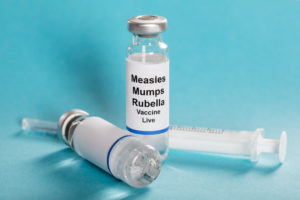
Measles is highly contagious and can be serious — even fatal. More than 100,000 people die from measles each year worldwide; most are under the age of five.
With school back in session you’ll want to make sure your child is up to date with this important vaccination. The measles vaccine has been around for more than 50 years, and it’s been so effective that the United States declared measles “eliminated” back in 2000.
Unfortunately, measles outbreaks still occur in the U.S. and are on the rise. The year 2019 saw the most U.S. measles cases in the last 25 years. In 2017, Minnesota experienced its worst measles outbreak since 1990, with almost a third of the patients who contracted the infection needing hospitalization.
So, what’s behind these concerning trends? Experts blame myths and misinformation. Here are the facts: Vaccines do not cause autism spectrum disorder, infant immune systems are strong enough to handle current vaccination schedules and there’s no risk of getting measles from the vaccine, either.
Without the vaccine, children could be exposed to this highly contagious virus. Among people exposed to measles, studies show 90% will become infected if they’re not vaccinated. Measles is spread through the air as infected people breathe and cough. Measles can lead to pneumonia, brain damage, deafness and even death.
Symptoms of measles typically appear 10-14 days after exposure. Your child might have a fever, dry cough, runny nose, sore throat, inflamed eyes, diarrhea, ear infections and a blotchy skin rash. Often the inner lining of the cheek may reveal tiny white spots with bluish-white centers on a red background.
A Three-for-one
The measles vaccine is combined with vaccines for mumps and rubella (MMR). Children usually receive their first shot when they are 12-15 months old and again when they’re between four and six.
Mumps often causes puffy cheeks and a swollen jaw. It’s also contagious. The virus is often spread in environments where there is close, extended contact with infected people. Symptoms also include fever, headache, muscle aches and fatigue.
Rubella is contagious and is most often spread from coughing or sneezing. It poses its greatest threat to pregnant women. If infected, women could have a miscarriage, or the child could die shortly after being born. The child could also be born with birth defects.
Talk to your health care provider about the MMR vaccine and whether your kids are up to date on their immunizations. Preventive care—including vaccinations—can help keep families and communities healthy.

Medica is calling on its network of providers to adopt a new clinical guideline to diagnose and assess kidney disease that will lead to more equitable renal care and improved outcomes among Black Americans. The change is expected to reduce delays in referrals for specialist care and kidney transplants.
Medica is asking doctors to stop using the most common method to diagnose and assess the severity of kidney disease, which is estimated glomerular filtration rate (eGFR). Most providers calculate eGFR by assuming Black people generally have higher baseline levels of serum creatinine, and therefore adjust their scores upward. This method can overestimate kidney function in people with African ancestry, and lead to worse outcomes.
“Using race as a factor when estimating kidney health is imprecise and disproportionately puts Black Americans at risk for severe health complications that could otherwise be treated,” said Medica Medical Director Charlotte G. Hovet, M.D., Sr. Medical Director of Quality, Care and Utilization Management.
“Our mission is to earn the trust of those we serve, and with that comes our commitment to being an active ally and advocate for changes that help make the lives of all people healthier and happier,” Hovet said.
Black people are about three times more likely to develop kidney failure than white people, according to the National Kidney Foundation. Black people are also less likely to receive a transplant evaluation, have less access to the waitlist, spend longer time on the waitlist, are less likely to survive on the waitlist, and have lower rates of transplant success.
Medica’s Medical Policy Committee, comprised of credentialed Medica-network physicians in a variety of disciplines, voted to adopt a new guideline that recommends providers use either a direct measure of GFR or another method of estimating GFR using serum cystatin C, which does not involve consideration of the patient’s race.
Hovet said the new guidelines align with leading advocates for the advancement of equity in kidney care.

When Twin Cities entrepreneurs Jazz Hampton, Esq., Andre Creighton and Mychal Frelix developed a solution to make traffic stops safer for drivers and law enforcement, Blue Cross and Blue Shield of Minnesota took note.
The nonprofit health plan is partnering with the entrepreneurs to address key factors affecting the health of its residents, including looking at police interactions as a social driver of health.
“The three of us sat down and decided that with our professional and community backgrounds, we were uniquely placed to create a solution to help keep people’s rights protected, reduce stress, trauma and anxiety – and get everyone home safely,” said Hampton, co-Founder and CEO of TurnSignl.
After Daunte Wright was fatally shot during a traffic stop by Brooklyn Center police in 2021, Hampton, Creighton and Frelix saw an opportunity to improve interactions between police and drivers. The trio developed TurnSignl, an app connecting users to an attorney in real time if they are stopped by law enforcement or have a car accident. The attorney provides legal advice to the user during the interaction with police.
Blue Cross is funding TurnSignl as part of a five-year strategy with the City of Brooklyn Center that aims to improve racial and health equity. The pilot program will provide up to 3,000 residents free access to the TurnSignl app, which launched in Minnesota just weeks after Wright’s killing.
This innovative subscription-based technology is designed to protect driver’s rights, de-escalate roadside police interactions, and help ensure both drivers and police officers return home safely.
Safety is not the only issue TurnSignl can help address. A growing body of research is illuminating how police-involved shootings and other police violence perpetrated on Black people have a deeply negative impact on the mental health and wellbeing of communities, regardless of whether the residents of those communities had a personal connection to those incidents.
“We know that 80 percent of health is determined by environment, neighborhoods, income and other stressors that exist outside of interactions with doctors and the health care system,” said Bukata Hayes, Vice President of Racial and Health Equity at Blue Cross.
“The impact of historical and contemporary trauma and systemic racism felt within BIPOC communities have long added increased mental health burdens to the already large overarching health inequities that exist throughout Minnesota. Our partnership with TurnSignl is an innovative, relevant and a responsive way to address those priorities and create a healthier future for all,” Hayes said.

To reduce health disparities, HealthPartners has mobilized an internal grassroots movement to help close gaps in outcomes and educate colleagues on ways to reduce bias, promote cultural humility and anti-racism. Some 350 employees have stepped up to become Health Equity Champions, serving as a resource for their teams or departments to advance equitable care throughout the enterprise.
“Being welcome, included and valued is a basic human need and essential to health and well-being,” said HealthPartners Chief People Officer DeLinda Washington. “Our Health Equity Champions are a great resource as we work to educate our colleagues on cultural humility, anti-racism and reducing bias.”
In addition to being ambassadors, the Health Equity Champions also help research, write and share the HealthPartners Culture Roots newsletter. Recent issues have focused on addressing disparities in depression screening and treatment, microaggressions and advancing LGBTQ health.
In an issue on maternal and infant health disparities, the newsletter shared how HealthPartners is addressing bias to provide the best care and service to patients and members. HealthPartners team members collect data on births and prenatal and postpartum care and partner with community organizations to ensure patient needs are met.
The United States has some of the highest maternal and infant mortality rates among developed countries, especially among people of color. Black infants, for instance, are nearly four times as likely to die from complications related to low birthweight compared with white infants.
In an effort to eliminate these disparities, HealthPartners has implemented structured, consistent practices for how clinician teams address the complications that can occur during pregnancy and childbirth. This includes things like managing hypertension during pregnancy, addressing abnormal fetal heart beats that happen during labor and preventing and managing hemorrhaging that can happen after pregnancy. These structured approaches are called “safety bundles,” and include steps to:
- Be ready
- Recognize and prevent
- Respond
- Report and learn
Health inequities, especially in the area of maternal and infant health, are profound. Research has shown that college-educated Black mothers who gave birth in local hospitals were more likely to suffer severe complications of pregnancy or childbirth than white women who didn’t finish high school. Disparities like this are what drive leaders like Washington to galvanize the workforce to bring about equity.
“When we understand and embrace our differences, we work better together and can best serve our patients and members.”

UCare is galvanizing the power of its people to ensure all its members have more equitable access to care.
Among UCare’s 630,000+ members are new Americans, BIPOC and LGBTQIA+ individuals, and people with disabilities. The organization is proactively working to provide more inclusivity to them and anyone else facing greater social and economic burdens due to structural oppression.
Some challenges arise in specific communities. The organization formed a Community Response Team in early 2021, allowing team members to flex as necessary to members’ needs.
The 15-plus member team is focusing on COVID response, but it also screens for medical issues, mental health and substance use disorders or other social needs that may be adversely affected by the COVID-19 pandemic. The team also provides education and support for COVID-19 prevention, testing and vaccination.
“The pandemic accelerated our concerns about health equity for the members we serve,” said Jennifer Garber, Vice President of Mental Health and Substance Use Disorder Services. “We wanted to remove barriers to vaccinations such as transportation and language, and also to de-complicate all the conflicting information about COVID-19 for our members. That is just what our talented and diverse Community Response Team does every day.”
UCare Foundation team members and community relations staff also connect with trusted community leaders and organizations to reduce health inequities. For example, UCare recently operated 80 COVID-19 vaccine clinics in partnership with Hennepin Healthcare, The Stairstep Foundation and the MN Department of Health, providing 8,300 vaccines and 95,000 KN95 masks to individuals in underserved communities across the state.
The Community Response Team includes a manager, a team lead, case managers, community health workers and engagement specialists. Team members speak multiple languages, they come from diverse cultural backgrounds, and they bring diverse skill sets to their role.
“Our team members have become trusted resources for our members during a stressful, confusing time,” Garber said.

For rural and underserved communities, there are a number of barriers that can prevent equitable care.
Lack of transportation, especially in outlying areas, is a significant challenge. Financial constraints can force tough decisions about how to pay for care and prescriptions. Communication challenges can also prevent members from understanding and participating in their care.
Sanford Health Plan is helping its members overcome these obstacles with an assist from dedicated staffers who join members in their health care journey. The organization uses Health Guides and Health Navigators to identify member challenges and develop solutions to connect them to the resources they need. Health Guides are available to all members, while Health Navigators are a resource for members of Medicare Advantage from Align powered by Sanford Health Plan.
“The Guides and Navigators form personal relationships with members to get to know their priorities and challenges and ensure they’re able to access appropriate care,” said Julie Smith, Executive Director of Value Strategy and Clinical Operations at Sanford Health Plan.
Sanford Health Plan serves patients and plan members across 250,000 square miles, which include Minnesota communities such as Thief River Falls, Bemidji, East Grand Forks, Canby and Worthington.
Sanford Health Guides, a no-cost benefit to plan members, help connect members to their providers, help them follow care plans and build relationships with them to better understand their barriers to care. Other services include:
- Helping members with financial and prescription assistance
- Identifying barriers and creating solutions to address them
- Building relationships with members’ care teams
- Attending appointments and advocating on members’ behalf
- Connecting members to resources in their communities
Health Navigators help Medicare Advantage members complete health assessments, explain benefits and answer questions. Both the Health Guides and the Health Navigators provide personalized service to members by connecting them with both the medical and non-medical resources they need to improve their overall wellbeing.
“Having resources who are familiar with the entire Sanford health system, and help our members take advantage of it, is a great example of what integrated care between the health system and the health plan should look like,” Smith said.